


Introduction
The growing demand for renewable energy and sustainable resource utilization has led to increased interest in biomass processing technologies. Among these, wood pellet production has become one of the most widely adopted methods for converting forestry residues into standardized solid fuel. Central to this process is the wood pellet processing equipment, a complete system designed to transform raw wood materials into dense, uniform pellets suitable for energy and industrial applications.
A wood pellet line represents more than a collection of machines. It is an integrated production system combining material preparation, pelletizing, cooling, and packaging. This article provides an encyclopedic overview of wood pellet lines, exploring their historical development, technical structure, operational principles, applications, and significance in the global biomass economy.
Historical Development of Wood Pellet Lines
The origins of wood pellet production can be traced back to early briquetting practices in Europe during the late 19th and early 20th centuries. At that time, sawdust and wood shavings were compressed into large blocks primarily for heating. However, these early products lacked standardization and efficiency.
Modern pellet technology emerged in the mid-20th century, driven by advancements in mechanical engineering and increasing concerns over fossil fuel dependency. The transition from single machines to complete production systems marked the evolution of the wood pellet line. By integrating multiple processing stages into a continuous workflow, pellet production became more efficient, scalable, and commercially viable.
Definition of a Wood Pellet Line
A wood pellet line is an integrated production system that converts raw wood materials into finished pellets through a series of mechanical and thermal processes. Unlike standalone pellet machines, a complete line includes upstream and downstream equipment to ensure consistent quality and stable output.
A typical wood pellet line may include:
Raw material size reduction
Drying and moisture control
Fine grinding
Pelletizing
Cooling and screening
Packaging and storage
The configuration of a pellet line varies depending on raw material type, production capacity, and intended application.
Main Components of a Wood Pellet Line
Raw Material Preparation System
The preparation stage involves chipping or crushing raw wood into smaller particles. This step ensures uniform size and facilitates efficient drying and grinding. Logs, wood slabs, and forestry residues may all be processed at this stage.
Drying System
Moisture control is critical in pellet production. Dryers reduce raw material moisture to levels suitable for pelletizing, typically between 10% and 15%. This step significantly influences pellet quality and energy efficiency. https://richipelletizer.com/wood-pellet-production-line-price/
Grinding and Conditioning Unit
Fine grinding improves particle uniformity, allowing better compression during pelletizing. Conditioning may also be applied to stabilize material temperature and moisture.
Pelletizing Section
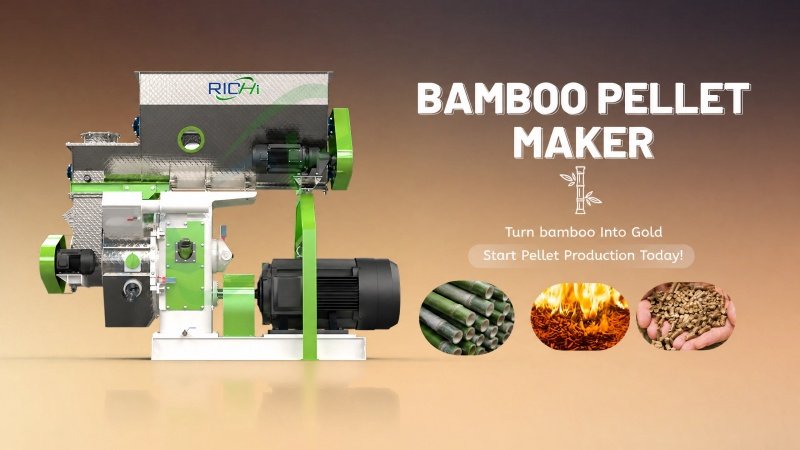
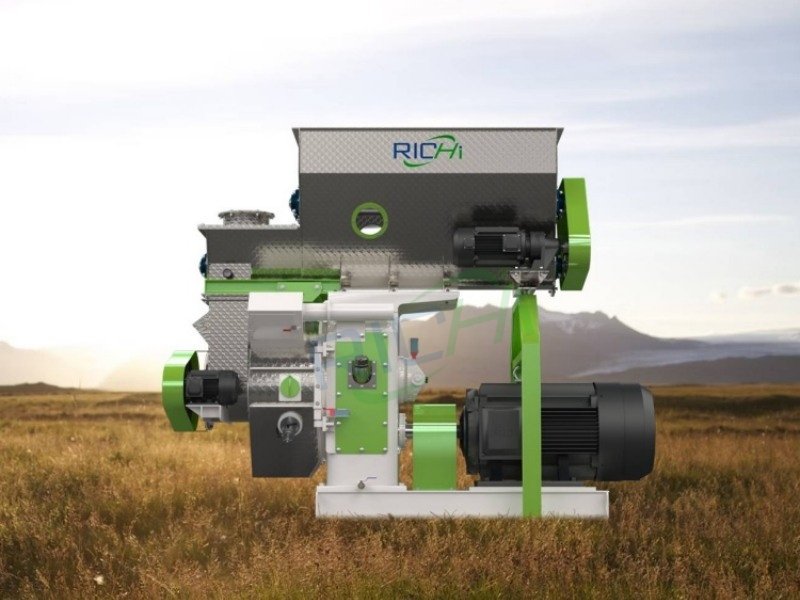
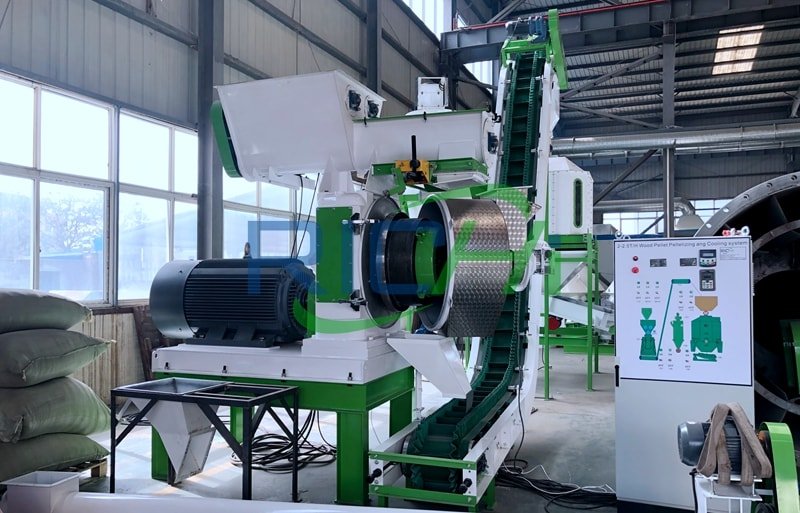
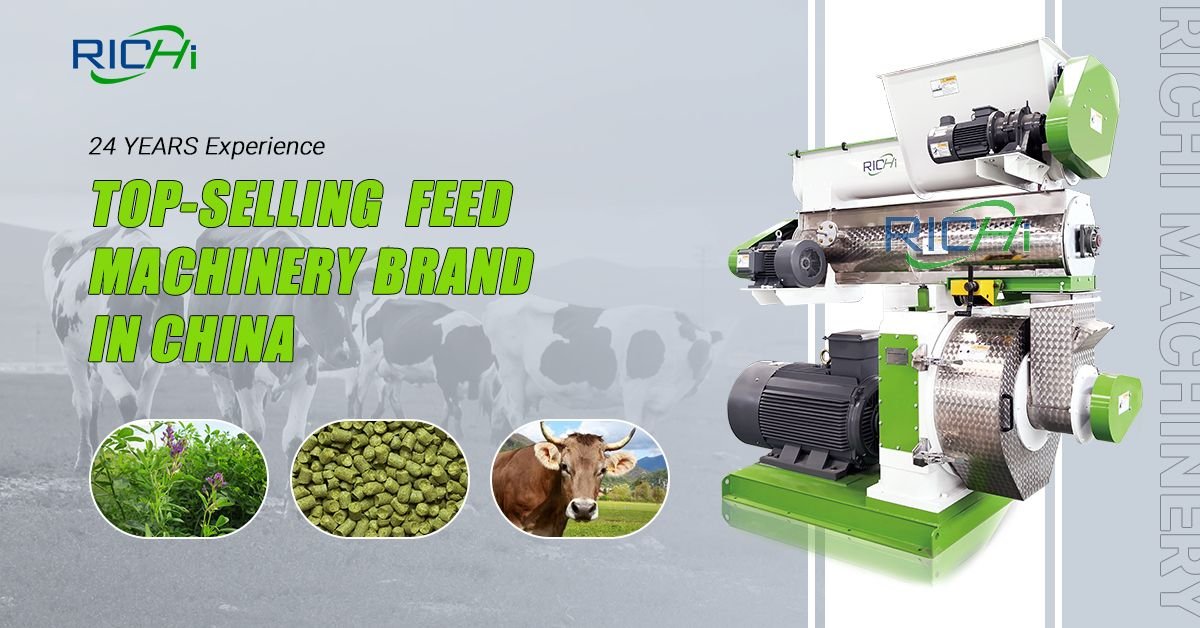
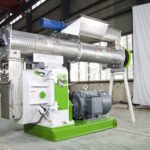
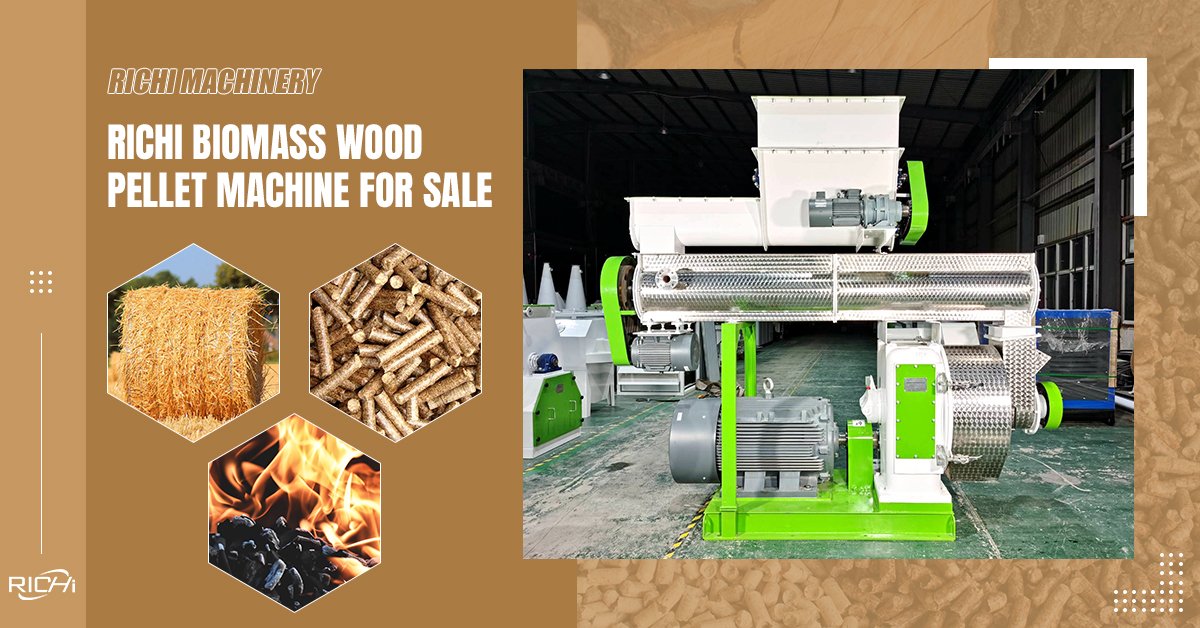
The pellet mill is the core component of the wood pellet line. Using mechanical pressure and friction, it compresses wood particles through a die to form cylindrical pellets. Ring die pellet mills are commonly used in industrial-scale lines.
Cooling and Screening System
Freshly formed pellets are hot and soft. Cooling systems reduce pellet temperature and harden their structure, while screening removes fines and broken pellets.
Packaging and Storage
Finished pellets are packaged in bags or stored in bulk silos, depending on market requirements and distribution methods.
Working Principle of Wood Pellet Production
The wood pellet line operates on the principle of mechanical densification. Properly prepared wood particles are subjected to high pressure and friction inside the pellet mill.
During pelletizing:
Friction generates heat
Natural lignin in the wood softens
Particles bind together without additives
Once cooled, pellets achieve structural stability and durability suitable for transportation and combustion.
Raw Materials Used in Wood Pellet Lines
Wood pellet lines can process a wide range of biomass materials, including:
Sawdust and wood shavings
Wood chips
Forestry residues
Furniture factory waste
Raw material consistency, cleanliness, and moisture content are essential factors affecting line efficiency and pellet quality.
Applications of Wood Pellets
Residential and Commercial Heating
Wood pellets are widely used in pellet stoves and boilers due to their standardized size and automated feeding capability.
Industrial Energy and Power Generation
In large-scale applications, wood pellets serve as fuel for biomass power plants or as co-firing material with coal, reducing carbon emissions. Visit this site
Non-Energy Applications
In some regions, wood pellets are also used for animal bedding or absorbent materials, benefiting from their uniform structure and low dust content.
Global Market and Industry Adoption
The adoption of wood pellet lines has expanded rapidly alongside renewable energy policies and carbon reduction initiatives. Europe remains a leading producer and consumer of wood pellets, followed by North America and parts of Asia.
The availability of a complete wood pellet line reflects growing industrial interest in standardized biomass processing. Equipment suppliers range from local manufacturers to international companies. Firms such as RICHI have contributed to global pellet projects by supplying integrated pellet production systems tailored to different capacities.
Environmental and Sustainability Significance
Wood pellet production supports waste reduction by converting forestry by-products into usable energy. When sourced from sustainably managed forests or wood-processing residues, pellets are often considered low-carbon fuels.
Wood pellet lines also help reduce open burning and uncontrolled disposal of wood waste, contributing to cleaner industrial practices and improved environmental outcomes.
Maintenance and Operational Management
Efficient operation of a wood pellet line depends on regular maintenance and process monitoring. Key practices include:
Routine inspection of wear parts
Lubrication of moving components
Temperature and moisture control
Timely replacement of dies and rollers
Manufacturers such as RICHI Pellet Machine emphasize robust system design and standardized components to support long-term operational stability.
Technological Trends and Future Development
Advancements in automation and materials science continue to shape the evolution of wood pellet lines. Notable trends include:
Intelligent control and monitoring systems
Energy-efficient motors and drives
High-alloy wear-resistant dies
Modular line configurations for scalability
As global biomass utilization increases, wood pellet lines are expected to remain a core technology in renewable energy infrastructure.
Conclusion
A wood pellet line represents an integrated approach to biomass utilization, combining multiple processing stages into a cohesive production system. From its historical roots to its modern industrial applications, wood pellet technology has played a significant role in advancing renewable energy and resource efficiency.Understanding the structure, operation, and applications of wood pellet lines allows industries and policymakers to make informed decisions that support sustainable energy development and circular economy principles. Wood pellet processing line in Italy