
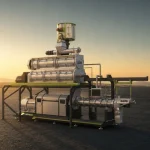
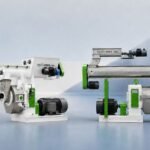
A feed pellet machine can be installed correctly, commissioned successfully, and still lose performance after handover if the production team is not ready to operate it as a process rather than as a single machine. Operator readiness is therefore a practical acceptance condition. The plant team must understand which variables they own, which signals indicate a developing problem, and which operating changes should trigger a controlled response instead of guesswork.
For a buyer implementing a feed pellet machine, the final handover should confirm more than equipment status. It should confirm that the operating team can start, stabilize, adjust, stop, inspect, and restart the pelletizing section without depending on the commissioning engineer for every decision.
Define What the Operator Is Responsible for Controlling
The first step is to separate operator-controlled variables from engineering or maintenance decisions. Operators commonly control feeder rate, approved steam adjustments, production sequence, routine inspection, cleaning, basic lubrication checks, and response to defined alarms. They should not be expected to diagnose every mechanical or electrical fault, but they must know when a condition is outside their permitted operating range.
This division of responsibility prevents two opposite problems. One is overreaction, where operators change several settings to compensate for a condition they do not understand. The other is passive operation, where abnormal trends are ignored until the machine trips. A clear operating boundary gives the team confidence to act without encouraging uncontrolled adjustment.
Train the Team Around Process Signals, Not Only Buttons
Knowing how to press start and stop is not enough. Operators should understand the main process signals that show whether the pelletizer is working inside a stable window. Typical signals include feeder stability, conditioner temperature, steam pressure, pellet mill motor current, vibration, product appearance, fines, cooler discharge temperature, and downstream flow.
The purpose is not to turn every operator into a process engineer. It is to make abnormal behavior visible early. A gradual rise in motor current, unstable feed, or increasing fines should be recognized as a trend that deserves attention before it becomes a shutdown.
Use a Standard Start-Up Sequence Every Shift
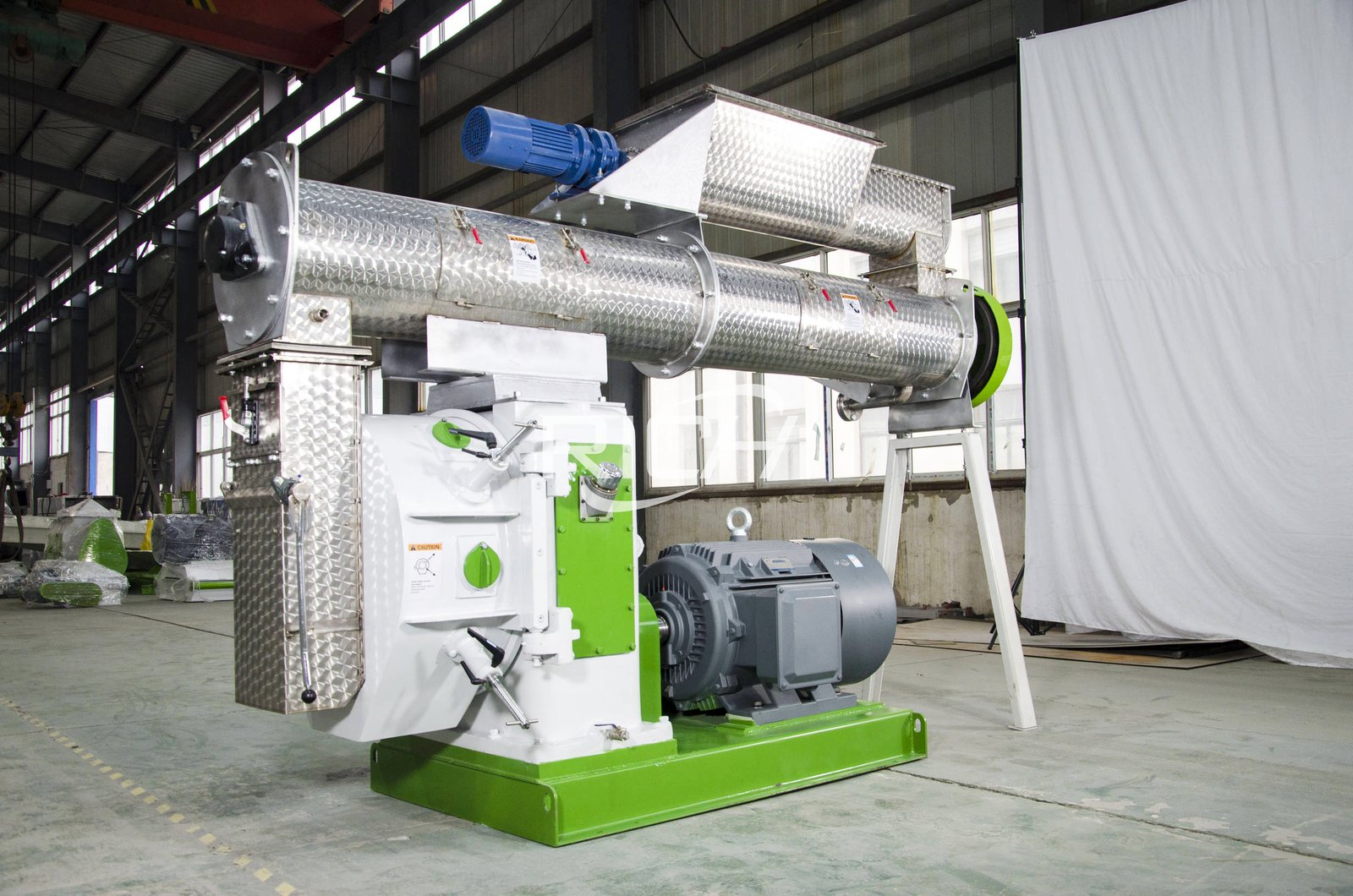
A repeatable start-up sequence reduces variation. Operators should confirm downstream equipment readiness before feeding the pelletizer, check that the cooler and screener can receive product, verify steam availability, confirm lubrication status, and inspect the machine area for tools, loose parts, or open guards.
The start-up sequence should also define when material is introduced, when steam is increased, and how the line is brought toward the normal feed rate. If each shift starts the line differently, it becomes difficult to distinguish normal warm-up behavior from real process instability.
Teach Operators to Stabilize Before Increasing Capacity
Production teams are often under pressure to reach target tonnage quickly. During the first weeks after handover, however, the stronger operating habit is to stabilize first and increase load second. The operator should wait for feeder behavior, conditioner conditions, motor load, and downstream flow to settle before making another capacity increase.
This reduces the risk of chasing the process. If feed rate is increased before the previous change has stabilized, operators may respond to a temporary fluctuation with another adjustment. That creates a cycle of corrections that can make the line appear less stable than it actually is.
Use Motor Current as a Trend, Not a Single Number
Motor current is one of the most useful operating indicators, but the team should learn to read its pattern. A stable current at a given production condition is usually more informative than a high peak value. Repeated spikes may point to uneven feeding, changing conditioning, inconsistent raw material, accumulation, or an operating point that is too aggressive.
Operators should compare current with throughput and pellet condition. If current rises while output does not improve, the correct response may be to reduce load and inspect the process rather than continue pushing the machine.
Make Steam Adjustment a Controlled Procedure
Where steam conditioning is used, steam changes should be deliberate. Operators should know the normal pressure range, which valve or control setting they are permitted to adjust, and what conditioner temperature or material behavior they are trying to achieve.
Large or frequent steam changes can make troubleshooting difficult because the process never reaches a stable condition. A better method is to make small changes, observe the result, and record the operating point. If steam quality or pressure itself becomes unstable, that should be escalated as a utility issue rather than compensated for indefinitely at the machine.
Set Clear Rules for Alarm Response
Every important alarm should have an expected operator response. The team should know which alarms allow a controlled reset, which require inspection, and which require maintenance or electrical support before restart. This is especially important for overloads, blocked conveyors, lubrication warnings, emergency stops, and downstream equipment trips.
Without predefined responses, one shift may reset repeatedly while another stops production for the same alarm. Standard response rules reduce unsafe improvisation and make fault history more useful for maintenance teams.
Include the Cooler and Screener in Operator Ownership
Pelletizing does not end at the die. Operators responsible for stable output should also observe cooling and screening. Hot pellets that are not cooled correctly can create storage and quality problems, while excessive fines or recycle can indicate upstream instability or downstream damage.
The operating team should know the normal cooler discharge temperature, expected product bed behavior, airflow indications, and acceptable fines trend. They should also understand that a downstream restriction can force the entire pelletizing section to reduce capacity even when the pellet mill itself has available power.
Record a Practical Baseline for Each Main Formula
A single operating baseline is rarely enough if the plant produces very different formulas. The team should keep a practical reference for each major product family. That reference can include feeder setting, steam condition, conditioner temperature, motor current, approximate throughput, pellet appearance, fines, and cooler discharge condition.
The baseline does not need to be complicated. Its purpose is to answer a simple question: what did the line look like when this product was running well? When performance changes, operators can compare the current condition with a known stable reference rather than relying on memory.
Define When the Operator Must Escalate
Operator readiness includes knowing when not to keep adjusting. Repeated overloads, abnormal vibration, unusual noise, unstable steam supply, persistent blockage, lubrication faults, or rapid deterioration in pellet quality should trigger escalation. The team should know exactly who to contact and what information to provide.
A useful escalation report includes the product being made, the operating condition before the event, the alarm or abnormal signal, any adjustment already made, and whether the problem disappears at reduced load. This gives maintenance and engineering staff a much clearer starting point.
Train Shift Handover as Part of Production Control
Stable production can be lost when one shift hands over incomplete information to the next. Operators should record important changes in formula, feeder setting, steam condition, alarm history, maintenance observations, and any temporary operating limits.
Shift handover is especially important during the early production period after commissioning because the plant is still learning its normal behavior. A simple handover log prevents the next team from unknowingly repeating the same adjustments or troubleshooting the same issue from the beginning.
Use the First Weeks to Build Operating Discipline
The first weeks after commissioning shape long-term operating habits. If the team learns to record conditions, make controlled adjustments, inspect before resetting, and escalate abnormal trends early, the plant is more likely to maintain stable output. If the early habit is to push capacity first and troubleshoot later, small problems can become normal practice.
The production manager should therefore review operating records frequently during the ramp-up period. Repeated alarms, recurring load reductions, large differences between shifts, or inconsistent quality should be treated as training or process issues that need correction before they become permanent.
Handover Is Complete When the Team Can Reproduce the Result
A successful equipment handover is not demonstrated by one good commissioning run. It is demonstrated when the production team can reproduce the stable operating condition on its own. Operators should be able to start the section correctly, bring it to the approved production range, recognize abnormal behavior, respond according to procedure, and complete a controlled stop and restart.
When those capabilities are in place, the feed pellet machine is no longer dependent on the commissioning team for daily stability. The plant has moved from installation and startup into controlled commercial operation, which is the practical objective of operator readiness.