

A pellet equipment manufacturer’s order backlog can reveal useful information about demand, factory loading, production discipline, and delivery risk, but it should never be interpreted by itself. A large backlog may indicate that the manufacturer is trusted by many buyers and is actively producing complete projects. It can also indicate that machining centers, fabrication bays, engineering teams, or assembly areas are approaching capacity. For a buyer, the important question is not whether the backlog is large or small, but whether the supplier can convert that workload into controlled, predictable production without sacrificing quality or delivery dates.
Backlog Is A Capacity Signal, Not A Quality Certificate
Order backlog is the value or volume of contracted work that has not yet been completed. In pellet equipment manufacturing, that work may include stand-alone pellet mills, complete feed plants, biomass pellet lines, storage systems, steel structures, electrical panels, and installation packages. A high backlog can be positive because it shows market demand, but it does not prove that the factory has enough engineering and manufacturing resources to complete every project on time.
The buyer should therefore compare backlog with actual capacity. A supplier with ten projects in progress may be well organized if it has multiple machining centers, welding teams, assembly bays, engineers, and project managers. Another supplier may struggle with only three projects if all of them depend on the same critical machine tool or small engineering group.
Ask What The Backlog Is Made Of
Not all orders consume the same resources. A small pellet mill order may require limited engineering and assembly time, while a turnkey feed plant requires process design, civil interfaces, equipment production, control programming, documentation, and logistics coordination. Ask the supplier to separate current workload by project type rather than simply quoting the total number of orders.
- How many complete pellet plant projects are currently active?
- How many stand-alone machines are in production?
- Which projects require custom engineering?
- Which projects use the same major machining or assembly resources as your order?
- How many projects are already in final testing or shipment preparation?
This distinction matters because two factories with the same order count can have completely different workloads. The more customized and integrated the projects are, the more engineering capacity becomes a limiting factor.
Look For Bottlenecks In Critical Resources
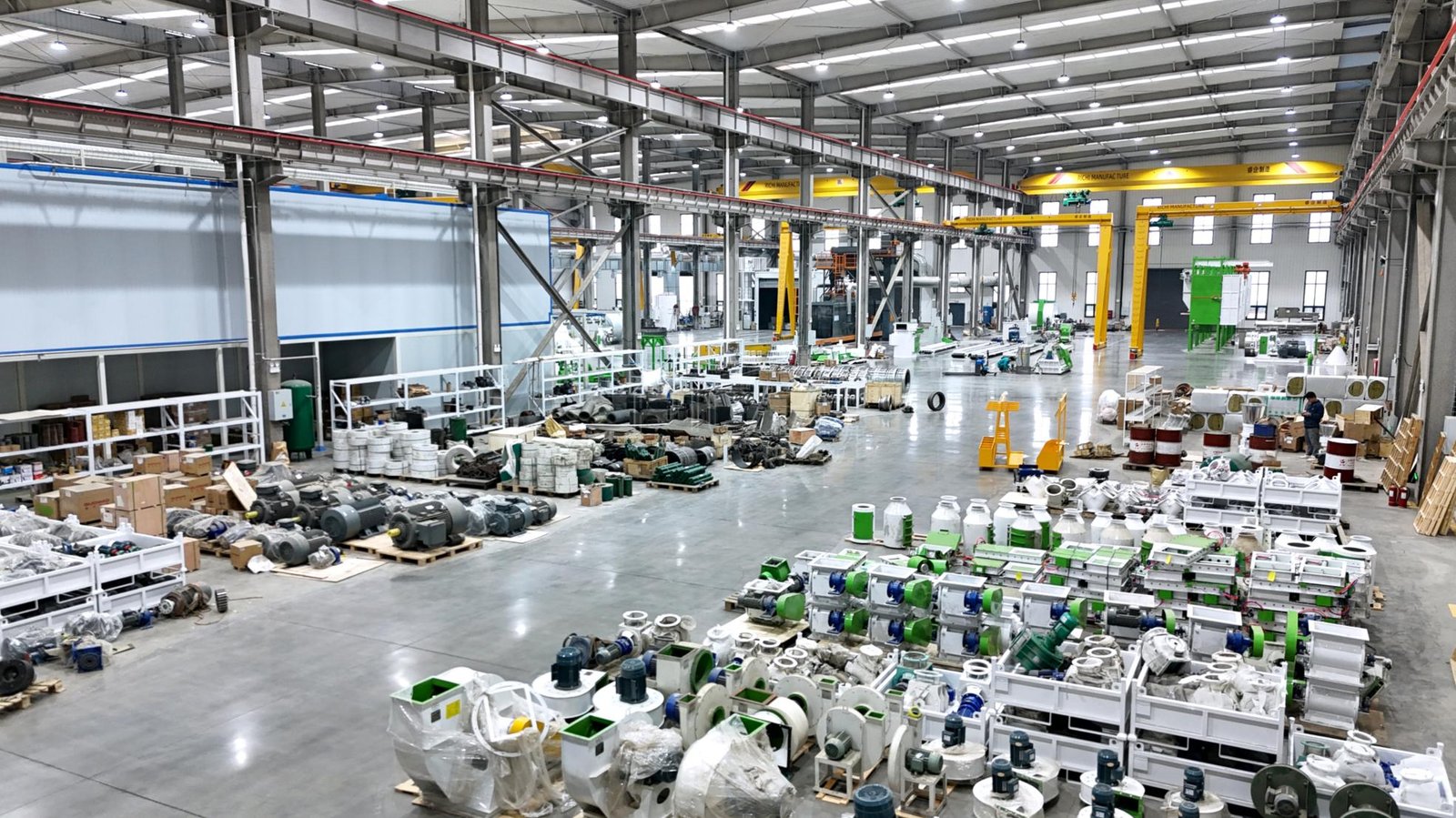
Pellet equipment factories usually have a few resources that determine overall throughput. These may include large CNC machines, heat-treatment processes, ring-die production, large welding fixtures, painting booths, assembly bays, electrical-panel workshops, or experienced commissioning engineers. Ask which resources currently have the longest queue and how the supplier schedules them.
A strong manufacturer knows its bottlenecks and plans around them. It may reserve machining slots, maintain standard components, separate fabrication teams, or stagger project milestones. A weaker supplier may accept orders without understanding how those orders compete for the same production resources.
Compare Backlog With Lead Time
Backlog becomes meaningful when compared with the promised delivery schedule. If a supplier has a heavy backlog but offers an unusually short lead time, ask for the production plan that supports the promise. The schedule should show when drawings are released, when materials are purchased, when machining begins, when fabrication starts, when assembly takes place, and when factory testing is planned.
Do not focus only on the final shipment date. Milestone visibility is more useful because it shows whether the supplier has actually reserved capacity for your project. A credible schedule should also identify customer approvals that can affect timing, such as layout confirmation, electrical specifications, and foundation drawings.
A Growing Backlog Can Be Positive
When backlog grows together with factory investment, engineering recruitment, machining capacity, and process standardization, it can be a healthy sign. It suggests that the supplier is expanding in response to real demand. Buyers should look for evidence that capacity is scaling with orders rather than assuming that growth automatically creates congestion.
For example, a manufacturer may add CNC equipment, increase welding stations, enlarge assembly space, or create dedicated project-management teams. These changes demonstrate that the company recognizes the operational impact of a larger order book. The best signal is not backlog alone but backlog supported by visible capacity expansion.
A Shrinking Backlog Is Not Automatically Negative
A smaller backlog can mean weaker demand, but it can also mean that the factory has recently completed a large batch of projects or improved production throughput. Ask about recent shipments and the normal seasonal pattern. Pellet equipment demand can vary by region, agricultural cycle, investment timing, and project financing.
What matters is whether the supplier maintains stable engineering, manufacturing, and service capability. A factory with an unusually empty workshop and little recent project activity deserves closer review, but a moderate backlog with disciplined production can be preferable to an overloaded factory.
Check Whether Quality Control Changes Under Pressure
One of the biggest risks of an excessive backlog is that quality procedures may be compressed to protect delivery dates. Ask whether inspection points remain mandatory during peak production. The supplier should not skip dimensional inspection, machine testing, electrical verification, or documentation because the shipping schedule is tight.
- Are inspection records required for every project?
- Can production staff bypass a quality hold to meet shipment dates?
- Are trial runs still completed during peak months?
- Is final documentation prepared before shipment?
- Does the supplier increase shifts or subcontract work when capacity is tight?
If subcontracting increases during busy periods, ask how suppliers are qualified and inspected. Outsourcing selected work is not automatically a problem, but responsibility for specifications and acceptance should remain clear.
Engineering Backlog Matters As Much As Factory Backlog
Turnkey pellet plants depend heavily on engineering. Process flow, equipment selection, plant layout, structural design, electrical load, control logic, and installation drawings all require experienced personnel. A factory may have open assembly space while its engineering team is overloaded. This can delay drawing approval and push manufacturing later even when physical production capacity appears available.
Ask how many active projects each project engineer or design team is handling. Also ask how long it normally takes to issue the first layout, revise drawings after customer comments, and release manufacturing documents. These indicators often reveal schedule risk earlier than the workshop does.
Use Backlog To Test The Supplier’s Planning System
A mature manufacturer should be able to explain how new orders enter the production plan. This includes engineering release, procurement, material availability, machine loading, fabrication, assembly, testing, and shipment. The buyer does not need access to confidential customer details, but should be able to see that the company uses a structured scheduling method rather than informal promises.
Ask how schedule conflicts are resolved. If two large pellet plants need the same machining center or commissioning team in the same week, who decides priority? Clear production planning is more important than a sales representative’s verbal assurance.
What A Healthy Backlog Looks Like
| Indicator | Healthy Signal | Potential Concern |
|---|---|---|
| Workshop loading | Busy but organized | Congested or unusually empty |
| Lead times | Supported by milestones | Unusually short without explanation |
| Engineering | Defined project ownership | Drawings consistently delayed |
| Quality control | Inspection unchanged during peaks | Testing compressed to ship faster |
| Subcontracting | Controlled and inspected | Unclear responsibility |
| Capacity investment | Expands with workload | Orders grow but resources do not |
How RICHI Machinery Fits This Evaluation
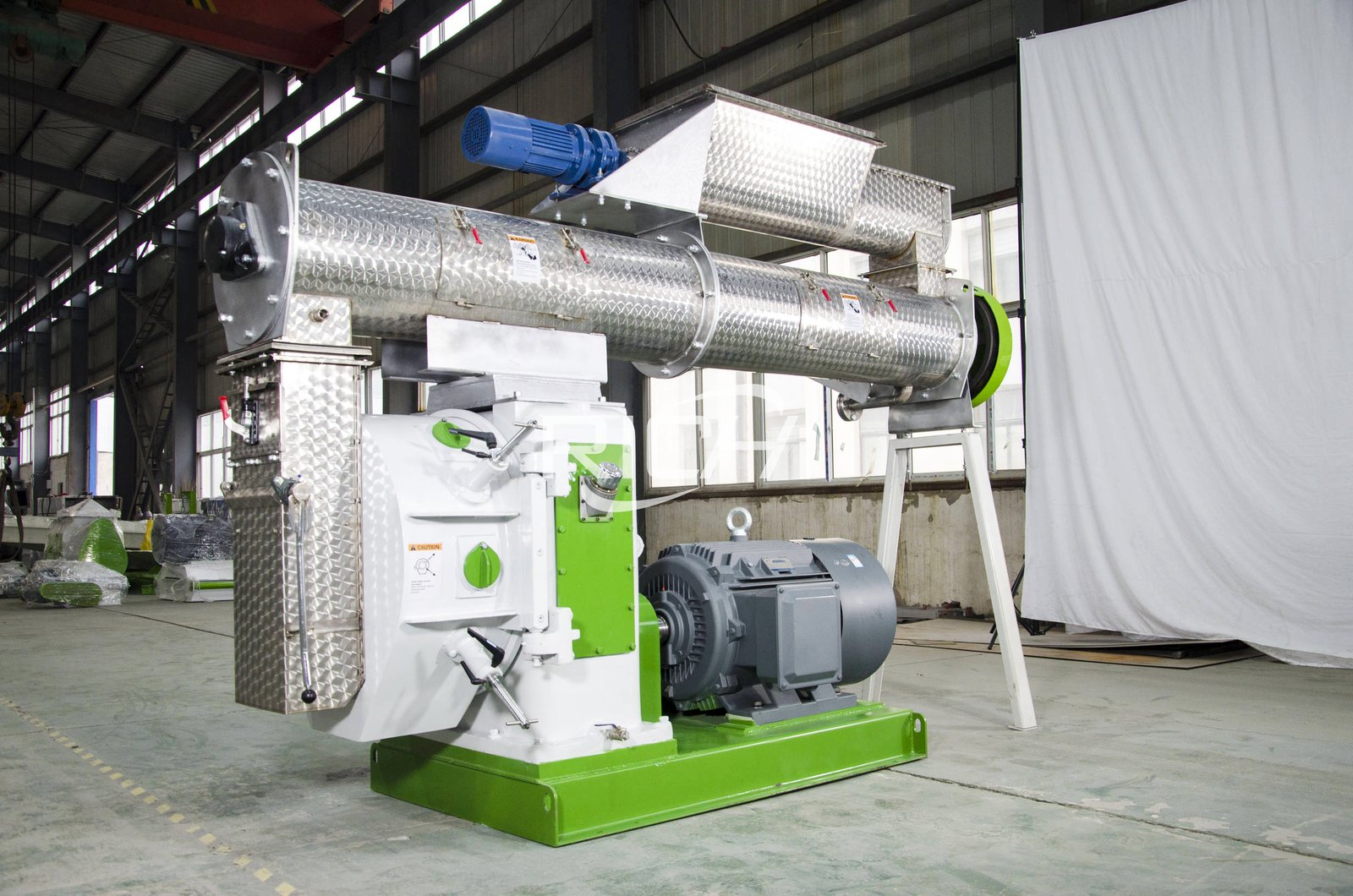
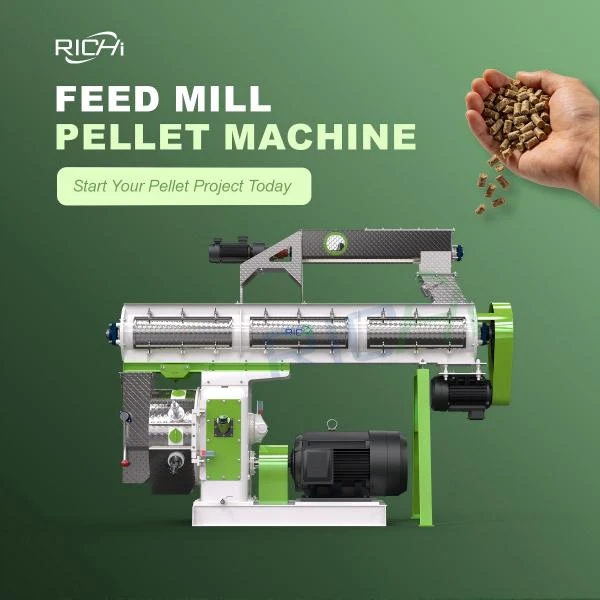
RICHI Machinery operates as a pellet equipment manufacturer and complete-line engineering supplier, so buyers can evaluate both workshop production and project-delivery capability. The company’s manufacturing and project background can be reviewed through pellet equipment manufacturing and project-delivery capabilities. More than 30 years of industry experience and over 2,000 delivered projects are useful context, but buyers should still evaluate current workload, delivery milestones, and the specific resources allocated to their own project.
The correct procurement approach is to combine historical project evidence with current production evidence. A strong past record does not replace the need to confirm today’s capacity, and a busy factory does not replace the need for disciplined scheduling.
Questions To Ask Before Signing
- How many projects are currently in engineering, manufacturing, assembly, and testing?
- Which current orders use the same major equipment as my project?
- What are the current bottlenecks?
- When will my drawings be released?
- When is my project scheduled to enter machining and fabrication?
- What happens if an earlier project is delayed?
- How is quality control protected during peak workload?
- Which work may be subcontracted?
- How often will I receive progress updates?
- What evidence shows that the promised shipment date is realistic?
Final Recommendation
A manufacturer’s backlog is useful because it reveals how demand interacts with engineering and factory capacity. A healthy backlog shows that the supplier is active, trusted, and capable of keeping production resources productive. An excessive backlog without matching capacity can create delivery delays, rushed quality control, and excessive subcontracting.
Do not ask only, “How many orders do you have?” Ask how those orders are scheduled, what resources they consume, and exactly where your project will fit. The supplier that can answer those questions with a realistic milestone plan provides much stronger evidence of production capability than a supplier that uses a long order list only as a marketing claim.