
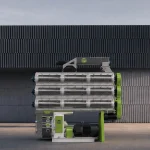



Finding a corn stalk pellet machine is relatively easy; finding the right machine for a particular raw material and business model requires more careful evaluation. Agricultural residues differ in fiber structure, moisture, bulk density, and contamination. A pellet mill that performs well with one material may require a different preparation process for another.
For investors reviewing a straw pellet mill for sale, the most useful comparison should therefore begin with material characteristics and production goals.
Start With the Straw
Corn stalk is naturally fibrous and relatively bulky. After harvesting, it may contain soil, leaves, moisture, and other field residues. The condition of the material affects the preparation process before pelletizing.
Size reduction is commonly required so the material can enter the pellet mill evenly. If the material is too wet, drying may also be required. If the material is already sufficiently dry and properly chopped, the preparation stage may be less complicated.
This is why a supplier should ask questions about the actual straw rather than immediately recommend a standard machine.
Look Beyond the Machine Name
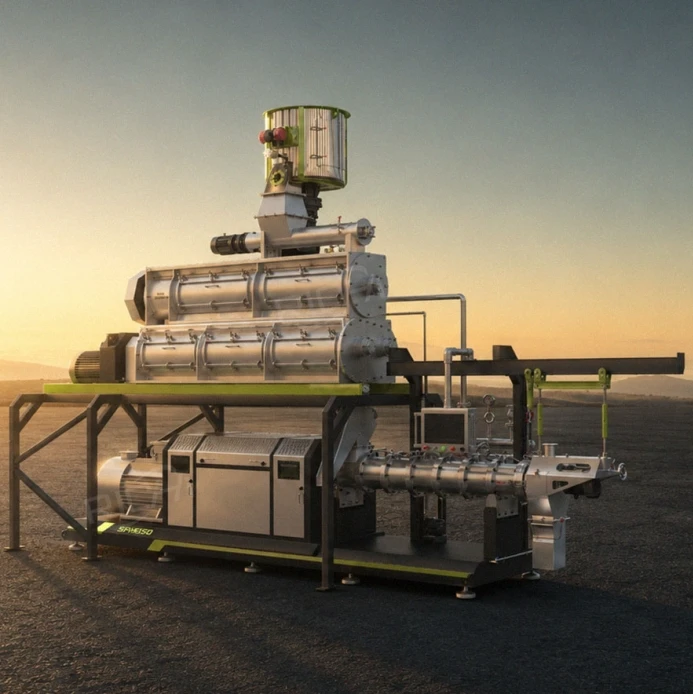
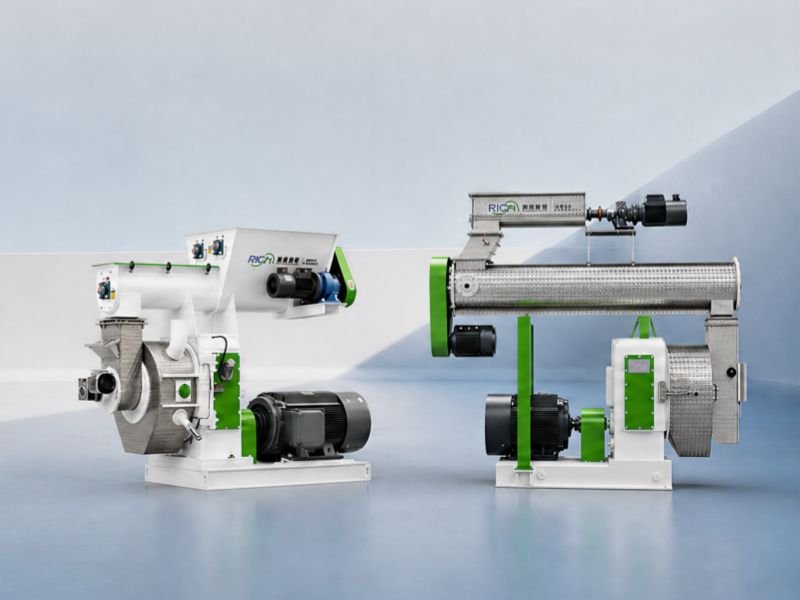
The words “straw pellet mill” describe a general equipment category, but they do not tell the whole story. Investors should examine the feeding system, die configuration, roller system, drive arrangement, motor power, and expected output.
The die and rollers are particularly important because they are directly involved in compression. Agricultural fibers can be abrasive, and continuous production places significant demands on these components.
A practical evaluation should also consider how quickly wear parts can be replaced and whether spare parts are available in the long term.
Capacity Should Follow Material Supply
A common mistake is selecting a machine according to an attractive capacity number without verifying whether enough raw material will actually be available.
Suppose a business wants to operate a multi-ton-per-hour pellet mill. It must have sufficient daily and seasonal straw supply to keep the machine running. Collection, transportation, storage, and preprocessing must all support the target capacity.
A smaller operation with limited local material may achieve better economics with a modest machine that can run consistently than with a large machine that frequently waits for feedstock.
Consider the Finished Product
Pellets can be produced for different purposes. Fuel pellets need appropriate density and durability for storage, transportation, and combustion. Feed pellets require a process that protects product quality and may involve conditioning. Agricultural residues may also be processed into organic fertilizer products.
The intended market determines the downstream equipment and process requirements. Cooling, screening, and packaging can become important when pellets are sold commercially rather than consumed immediately on site.
Check my source can be a useful approach when comparing technical information from different suppliers, but specifications should always be evaluated against the actual project conditions.
Single Machine or Complete System?
A standalone pellet mill may be appropriate for a user who already has suitable prepared material. However, a new commercial plant often requires more than the pellet mill itself.
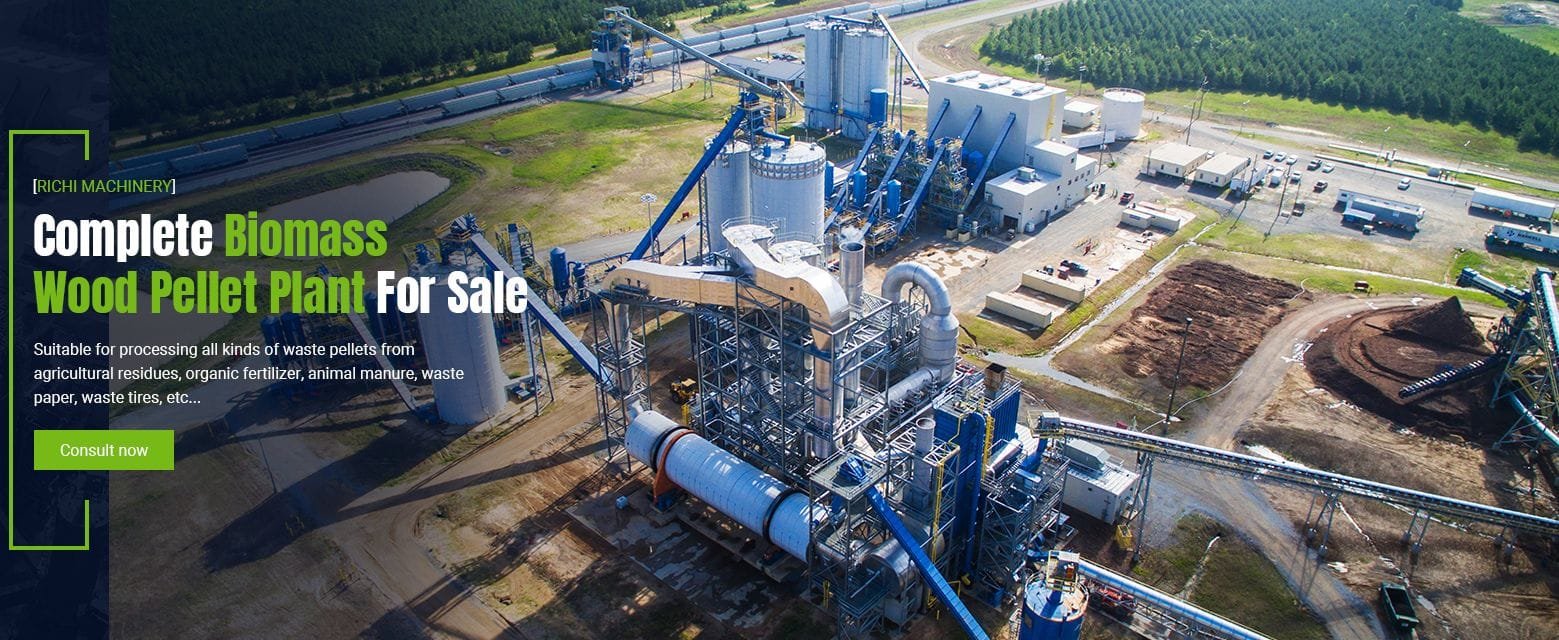
A complete process can include raw material receiving, crushing, drying, feeding, pelletizing, cooling, screening, conveying, and packaging. The exact configuration depends on the material and product requirements.
Purchasing the equipment as a coordinated pellet line can reduce integration problems because each stage is designed around the next one.
Questions to Ask the Supplier
Before ordering equipment, an investor should understand the expected output using the actual material. Laboratory testing or a sample trial may be valuable when the feedstock is unusual.
The supplier should also explain recommended moisture conditions, pellet diameter, power requirements, spare parts, maintenance intervals, and installation requirements.
For international projects, shipping dimensions, electrical standards, installation guidance, operator training, and after-sales support deserve attention as well.
Creating a Reliable Straw Processing Operation
The strongest pellet projects are designed around the complete production environment rather than one machine. A good pellet mill can only perform consistently when the raw material is prepared correctly and the feeding system supplies it evenly.
For agricultural businesses with dependable straw resources, pelletizing offers an opportunity to turn a seasonal residue into a standardized product. But equipment selection should be based on realistic raw material conditions, market demand, and long-term operating plans.
view details: https://www.richimanufacture.com/corn-stalk-pellet-machine/