

Buying feed equipment is only one part of building a reliable commercial feed operation. For a project in South Africa, the purchasing team should treat the machine selection, site preparation, utilities, installation, commissioning, training, and production ramp-up as one connected implementation plan. A technically suitable pellet mill can still underperform if raw-material handling is poorly arranged, electrical capacity is not confirmed, steam supply is unstable, or operators have not been trained to control the process. The practical objective is therefore not simply to choose a machine, but to create a site where the complete system can reach stable output and repeatable pellet quality.
Start With the Production Objective, Not the Machine Model
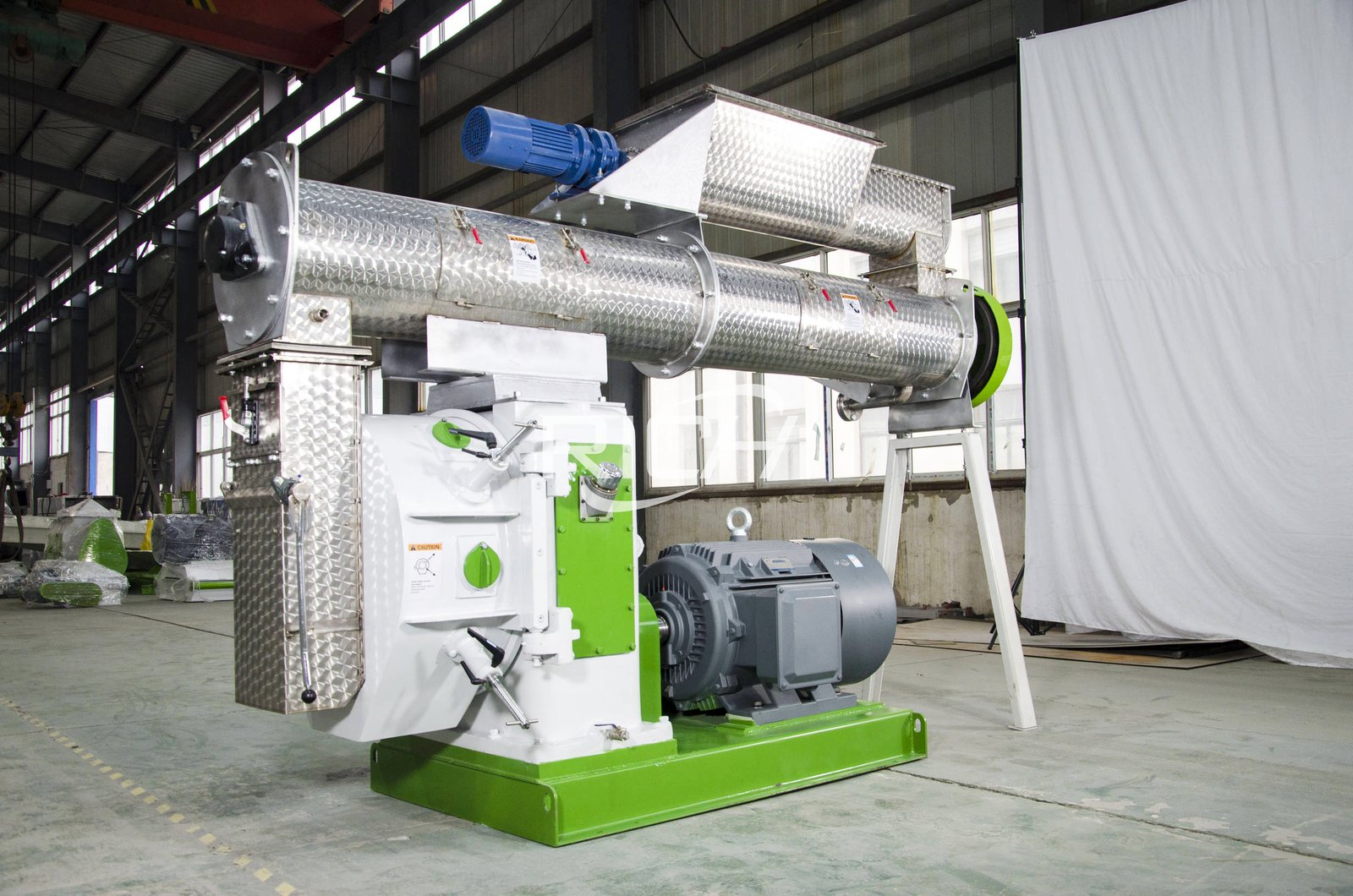
The first implementation decision is the commercial production target. Buyers should define the animal species, main formulas, required pellet diameters, expected operating hours, raw-material sources, packaging method, and realistic daily demand. These inputs determine whether the project needs only a pelletizing section or a complete line with grinding, batching, mixing, conditioning, pelletizing, cooling, screening, and packing. RICHI Machinery generally positions commercial feed projects around complete production-line integration because output stability depends on every upstream and downstream section, not on the pellet mill alone. Feed production-line capacity can be engineered from 1–160 T/H, while standalone feed machines fall within a different 1–40 T/H scope; actual output depends on formula, raw material, pellet size, configuration, and operating conditions.
Translate the Process Flow Into a Real Site Layout
Once the production objective is clear, the next step is to map the process onto the available building or plot. The layout should separate raw-material receiving, storage, production, finished-feed handling, maintenance access, and vehicle movement. Vertical arrangements can reduce the number of conveyors and make greater use of gravity, while horizontal arrangements may be easier to install in lower buildings and can simplify future access. Neither approach is automatically better. The correct choice depends on building height, floor area, civil-work cost, expansion plans, and how materials enter and leave the plant.
Maintenance access should be treated as a design input rather than an afterthought. Motors, bearings, screens, dies, rollers, elevators, mixers, and conveying equipment all need inspection or replacement space. A project that fits every machine tightly into a building may look efficient on paper but create unnecessary downtime later. Lifting points, walkways, platforms, safety clearances, dust-control connections, and routes for removing major components should be reviewed before the final layout is frozen.
Confirm Utilities Before Equipment Manufacturing Is Finalized
Electrical supply is one of the most important site-readiness checks. The supplier needs the project voltage, frequency, phase arrangement, available transformer capacity, and any site limits that affect motor starting or control systems. Buyers should also distinguish installed power from actual operating load. The complete electrical plan should include production equipment, dust collection, compressors, boiler auxiliaries, lighting, workshop demand, and allowance for future expansion. If backup generation is being considered, it should be sized against the real process-starting and operating strategy rather than selected only from a simple sum of motor nameplates.
For conditioned feed pellets, steam quality is equally important. Stable dry steam supports consistent conditioning, but the required boiler arrangement depends on capacity, formulation, conditioner design, and site conditions. Compressed air may also be required for pneumatic gates, automatic packing, and control components. Water, drainage, ventilation, and dust-management provisions should be confirmed at the same stage. A useful procurement rule is simple: finalize the utility schedule before civil work and equipment interfaces are locked.
Match Raw-Material Preparation to the Feed Formula
South African feed producers may work with different combinations of grains, protein meals, bran, minerals, premixes, oils, or locally available agricultural ingredients. The process should be designed around the actual formula family rather than a generic flow diagram. Grinding fineness affects mixing, conditioning, pellet formation, energy demand, and finished-feed texture. Ingredient density affects bin sizing and conveying. Liquid addition changes mixer requirements. Micro-ingredients can require a separate dosing arrangement when accuracy is important.
For commercial buyers comparing a feed pellet machine for South Africa, this is a key point: the machine is only effective when the preparation system delivers a stable, correctly mixed material to the conditioner and pelletizing chamber. A supplier should therefore ask for formula information, ingredient characteristics, pellet size, and production target before finalizing the design. If those questions are missing, the quotation may be too generic for reliable project planning.

Plan Installation Around the Sequence of Civil Work and Steel Structure
Installation efficiency depends on sequencing. Foundations, pits, anchor locations, openings, steel platforms, equipment lifting, and electrical routing should be coordinated rather than handled as independent jobs. Where multi-level steel structures are used, installing structural levels and equipment in a planned sequence can reduce repeated lifting and rework. The site team should know which machines arrive first, which components must be assembled on the ground, which sections require cranes, and which interfaces must remain accessible until alignment is complete.
Before shipment, the project owner should also prepare a site-responsibility matrix. It should state who provides cranes, welding equipment, local labor, scaffolding, power cables, compressed-air piping, boiler connections, foundations, warehouses, and accommodation or support for commissioning personnel. This prevents a common installation problem: the machines arrive, but the site is not ready for the next step. Clear responsibility allocation is often more valuable than simply asking for a shorter installation period.
Commissioning Should Be a Controlled Sequence, Not a Single Test Run
Commissioning should progress from individual machines to interconnected systems and then to loaded production. First, motors, rotation direction, sensors, interlocks, lubrication, gates, and safety devices are checked. Next, conveying and process sections are run together without full production load. Only after those checks should the line move into material testing. During feed trials, operators should watch grinding consistency, batching accuracy, mixing sequence, conditioner response, pellet-mill load, cooling, screening, and packing.
The purpose of commissioning is not to prove that every motor can turn. It is to establish a repeatable operating window for the buyer’s real formulas. Different feeds can require different settings, and the optimum settings may change with ingredient moisture, seasonal raw-material variation, die condition, or pellet diameter. Commissioning records should therefore include the formula used, key settings, observed output, pellet condition, and any corrective action. Those records become the starting operating standard for the plant team.
Train Operators to Understand Cause and Effect
Operator training should go beyond start and stop procedures. Staff need to understand why feed rate, steam, conditioning, die condition, roller adjustment, cooling air, and screening affect the finished pellet. They should know which alarms require an immediate stop and which process deviations can be corrected while running. Maintenance staff also need daily, weekly, monthly, and periodic inspection routines so lubrication, wear parts, fasteners, bearings, screens, and conveying components are checked before small issues become unplanned downtime.
A good training package should leave the site with operating procedures, maintenance schedules, electrical documentation, mechanical drawings, spare-parts references, and a defined communication channel for technical support. For a commercial plant, knowledge transfer is part of the equipment value. A sophisticated line with weak operator understanding can be less productive than a simpler system that the team can control confidently.
Use a Ramp-Up Plan for the First Weeks of Production
New plants should not be judged only by the first full-load trial. A structured ramp-up period gives operators time to learn the process while the team checks bottlenecks and fine-tunes formulas. The first stage can focus on stable material flow and safe operation. The next stage can increase production while recording energy use, die performance, pellet quality, fines return, cooler performance, and packing consistency. Maintenance observations should be logged from the beginning so recurring issues are visible.
Production planning should also leave time for routine maintenance. Continuous operation without scheduled inspection can create avoidable failures, especially during the learning period. The commercial target is sustained monthly output, not a single high hourly number. Buyers should therefore ask how the supplier supports the transition from commissioning conditions to normal shift production and what data operators should monitor during that transition.
A Practical Project-Readiness Check Before Ordering
- Confirm the feed types, formulas, pellet sizes, target output, shift plan, and packaging method.
- Confirm the building dimensions, available height, raw-material receiving route, warehouse arrangement, and future expansion space.
- Confirm electrical characteristics, transformer capacity, steam strategy, compressed air, water, ventilation, and dust-management requirements.
- Define which civil works, steel structures, platforms, cranes, cables, piping, and local labor are supplied locally and which are included by the equipment supplier.
- Prepare representative raw materials for commissioning and agree on the acceptance procedure before shipment.
- Identify the operators and maintenance staff who will participate in installation, training, and ramp-up.
When Should the Recommended Configuration Change?
The recommended line should change when the commercial assumptions change. A plant making a limited number of formulas may use a simpler batching and storage arrangement than a mill producing many recipes every day. A project selling bagged feed needs different finished-product handling from a farm consuming feed internally. High raw-material variability may justify more preparation and storage flexibility. Planned capacity expansion may justify larger conveying routes, additional bin space, or electrical reserve even if the first phase starts smaller.
The same principle applies to automation. More automation can improve consistency and reduce manual handling, but it should be justified by production scale, formula complexity, labor strategy, traceability requirements, and the owner’s management system. The best configuration is not the one with the most machines. It is the one that fits the operating model and can be maintained by the site team.
Evaluate the Supplier as an Implementation Partner
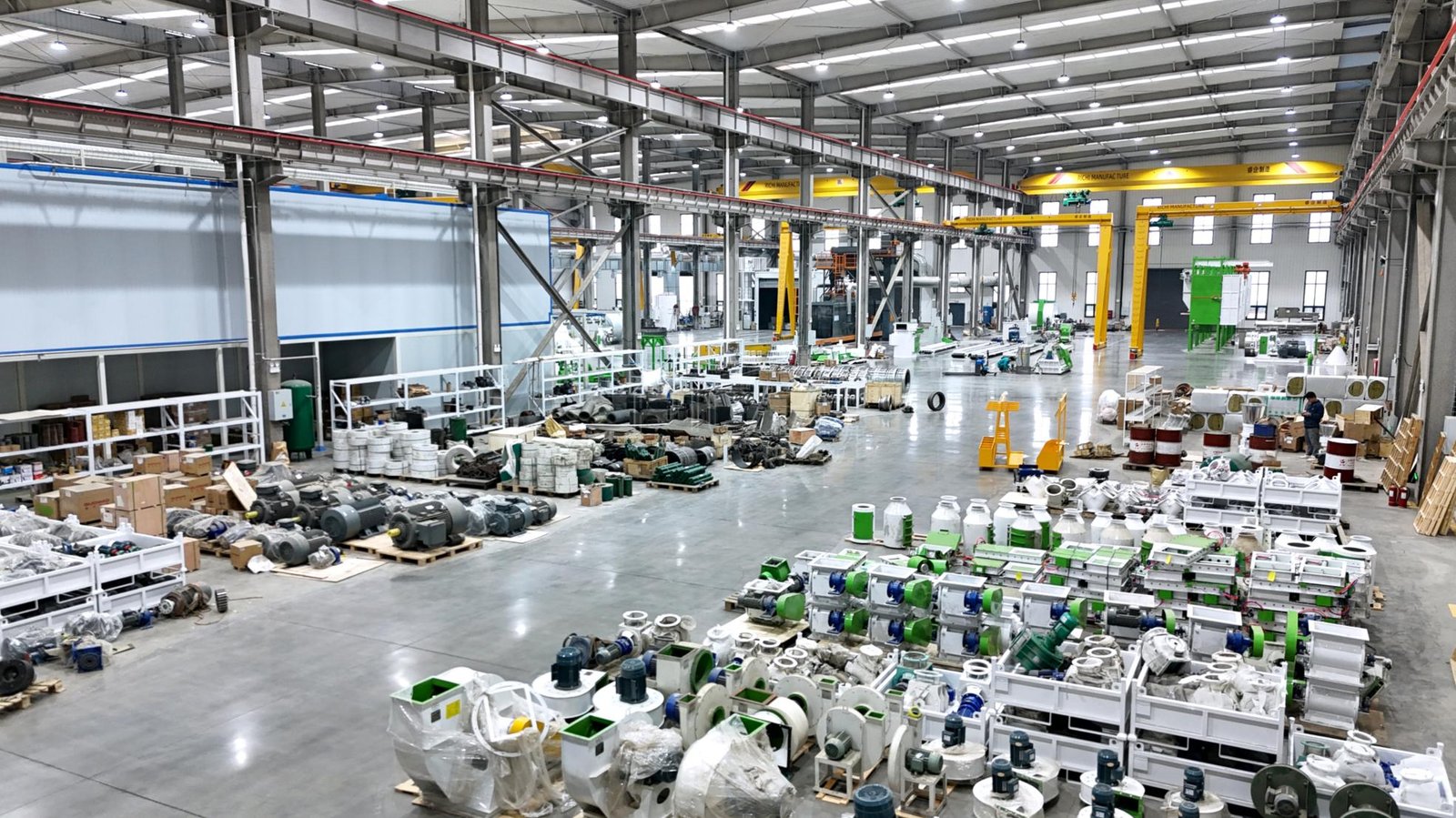
A commercial feed project requires coordination between process design, equipment manufacturing, installation, electrical control, commissioning, and after-sales support. Buyers should review whether the supplier can explain these interfaces clearly and whether drawings, machine specifications, utility requirements, and site responsibilities are consistent across the proposal. Factory capability, project references, quality-control procedures, spare-parts support, and commissioning methodology are more useful evaluation criteria than a price comparison alone.
RICHI Machinery has 30+ years of manufacturing experience and has delivered more than 2,000 projects worldwide. For project buyers, the relevance of that experience is not the number itself but the ability to translate different raw materials, capacities, buildings, and operating goals into a coordinated production system. The purchasing discussion should therefore include layout, utilities, installation sequence, training, and expansion logic before the final equipment list is approved.
Final Procurement Priority: Make the Site Ready for Stable Production
A successful feed pellet project in South Africa is created through integration. Machine quality matters, but so do the building, power supply, steam system, material preparation, installation sequence, commissioning records, operator skills, and maintenance discipline. Buyers who define these conditions before ordering can compare proposals on a more meaningful basis and reduce avoidable changes after equipment manufacturing begins.
The most useful question is therefore not simply, “Which pellet machine should we buy?” It is, “What complete production system can our site install, operate, maintain, and expand reliably?” Answering that question early creates a stronger foundation for equipment selection, budgeting, commissioning, and long-term production management.