

The rapid growth of the global aquaculture industry has created an increasing demand for high-quality aquatic feed. As fish farming becomes more intensive and technologically advanced, feed quality has emerged as one of the most important factors influencing production performance, profitability, and sustainability. Feed typically accounts for 50% to 70% of total aquaculture production costs, making it the single largest expense for most fish farmers. Consequently, improving aquatic feed quality efficiently has become a primary objective for feed manufacturers, aquaculture companies, and industry investors.
High-quality feed contributes directly to faster growth rates, improved feed conversion ratios, better disease resistance, higher survival rates, and reduced environmental pollution. Conversely, poor-quality feed can result in nutrient waste, water quality deterioration, slow growth, increased production costs, and lower farm profitability. Therefore, understanding how to improve aquatic feed quality is essential for maintaining competitiveness in the modern aquaculture industry.
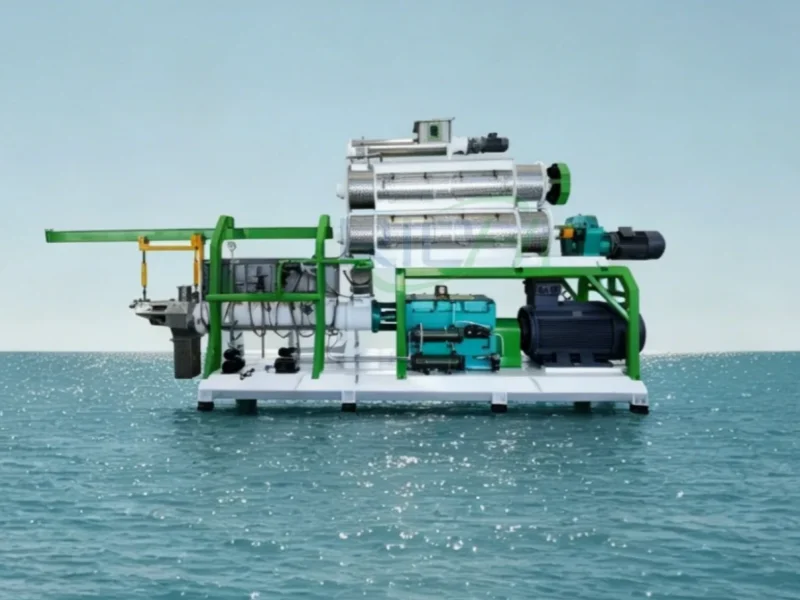
Improving feed quality is not simply a matter of using expensive ingredients. Instead, it involves optimizing every stage of the production process, from raw material selection and formulation design to processing technology, quality control, packaging, and storage. Modern equipment such as a fish pellet making machine also plays a critical role in ensuring consistent pellet quality and feed performance.
One of the most important steps in improving aquatic feed quality is selecting high-quality raw materials. The nutritional value of the final feed product can never exceed the quality of the ingredients used to produce it. Therefore, successful feed manufacturers invest significant resources into sourcing reliable raw materials from trusted suppliers.
Protein ingredients are especially important because protein is the primary nutrient required for fish growth and development. Fish meal remains one of the most valuable protein sources due to its excellent amino acid profile and digestibility. However, modern feed manufacturers increasingly combine fish meal with alternative protein sources such as soybean meal, rapeseed meal, cottonseed meal, poultry by-product meal, insect meal, and microbial proteins to achieve optimal nutritional balance and cost efficiency.
Raw material quality should be evaluated through laboratory testing whenever possible. Parameters such as protein content, moisture level, fat content, fiber concentration, amino acid composition, and contamination risk should be carefully monitored. Feed manufacturers that consistently use high-quality ingredients are better positioned to produce premium feed products and establish strong market reputations.
Ingredient freshness is another crucial factor. Oxidized fats, mold-contaminated grains, and spoiled protein sources can significantly reduce feed quality. In severe cases, poor-quality ingredients may even lead to disease outbreaks or fish mortality. Establishing strict supplier qualification procedures and incoming material inspections helps prevent these problems.
Another effective way to improve aquatic feed quality is through optimized feed formulation. Modern feed formulation involves balancing nutritional requirements, ingredient availability, digestibility, and economic considerations. The objective is to provide fish with all necessary nutrients while minimizing waste and production costs.
Different fish species have different nutritional requirements. Carnivorous fish such as salmon and trout generally require higher protein and lipid levels than omnivorous species such as tilapia and carp. Furthermore, nutrient requirements vary according to growth stage, environmental conditions, and production objectives.
Using formulation software allows nutritionists to develop precise feed recipes that meet specific requirements while maintaining cost efficiency. Advanced formulation systems can optimize amino acid profiles, energy levels, vitamin concentrations, and mineral balances. By accurately matching feed composition to animal needs, manufacturers can significantly improve feed performance.
Digestibility should also be a major consideration during formulation. Ingredients with high digestibility enable fish to absorb nutrients more efficiently, reducing waste and improving feed conversion ratios. Highly digestible feed not only supports faster growth but also contributes to improved water quality by reducing nutrient discharge into ponds and cages.
Particle size management is another often-overlooked factor affecting feed quality. Proper grinding improves ingredient mixing, pellet formation, nutrient availability, and feed digestibility. If ingredient particles are too large, fish may struggle to digest nutrients effectively. Conversely, excessively fine grinding may increase processing costs and reduce production efficiency.
Hammer mills are commonly used to reduce raw materials into uniform particle sizes before mixing. The optimal particle size depends on the target species and feed type. Starter feeds for juvenile fish generally require finer particle sizes than grower or finisher feeds. Consistent particle size distribution helps improve feed uniformity and overall product quality.
Mixing quality is equally important. Even the best feed formulation will fail if nutrients are not distributed uniformly throughout the feed batch. Inadequate mixing can result in inconsistent nutrient levels, causing uneven fish growth and reduced farm performance.
Modern feed mills utilize advanced paddle mixers and ribbon mixers to achieve high levels of mixing uniformity. Proper mixing ensures that vitamins, minerals, amino acids, and additives are evenly distributed throughout the feed. Routine testing of mixer performance can help identify and correct inconsistencies before they affect product quality.
Conditioning is another critical step in aquatic feed production. During conditioning, steam is added to the feed mixture to increase temperature and moisture content before pelletizing or extrusion. Proper conditioning improves starch gelatinization, enhances digestibility, increases pellet durability, and reduces microbial contamination.
The conditioning process can significantly influence the performance of a fish pellet making machine. Well-conditioned feed materials flow more smoothly through the machine, resulting in better pellet formation and improved product consistency. Conditioning also contributes to higher production efficiency and lower energy consumption.
https://richipelletizer.com/fish-feed-pellet-making-machine
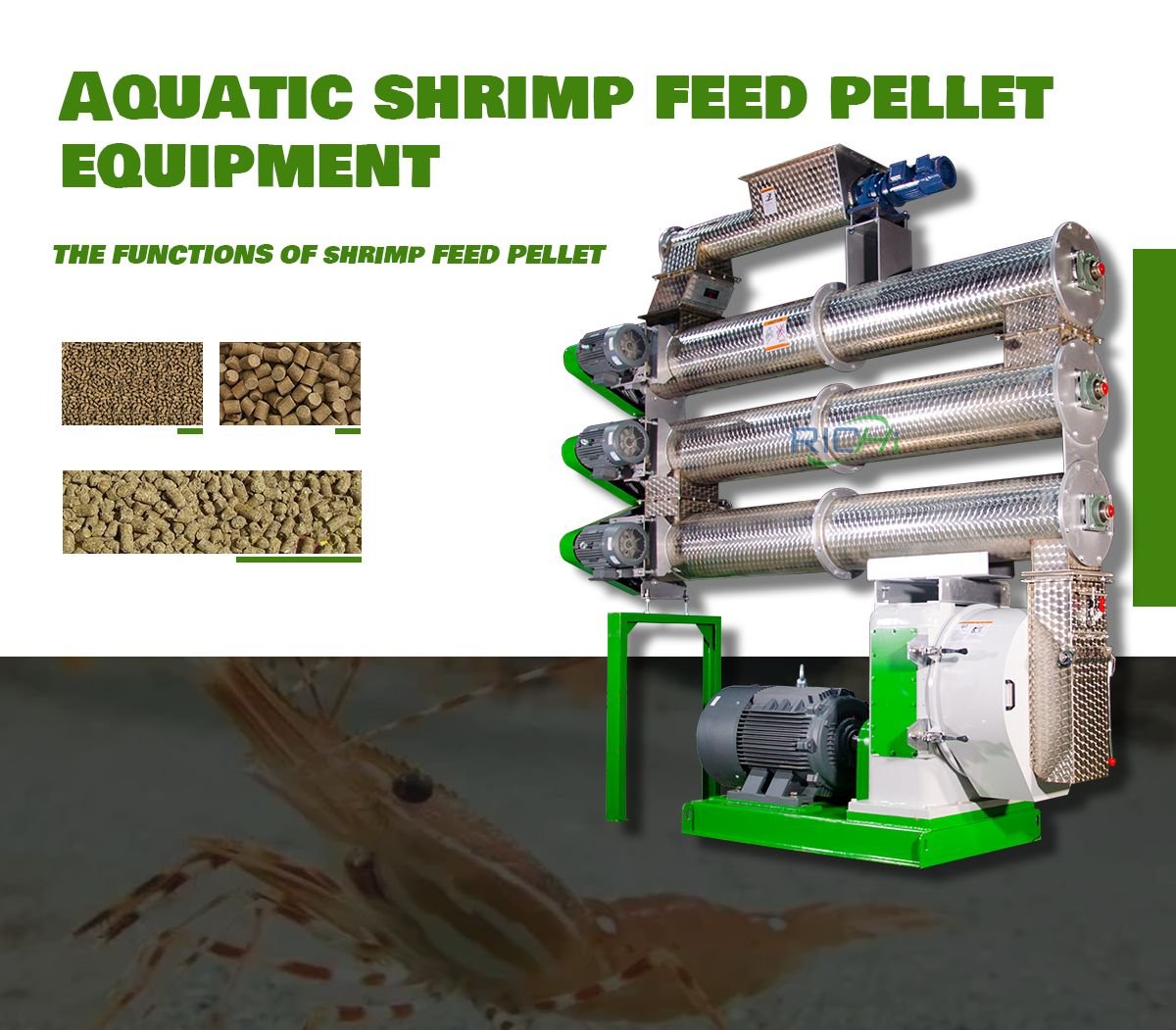
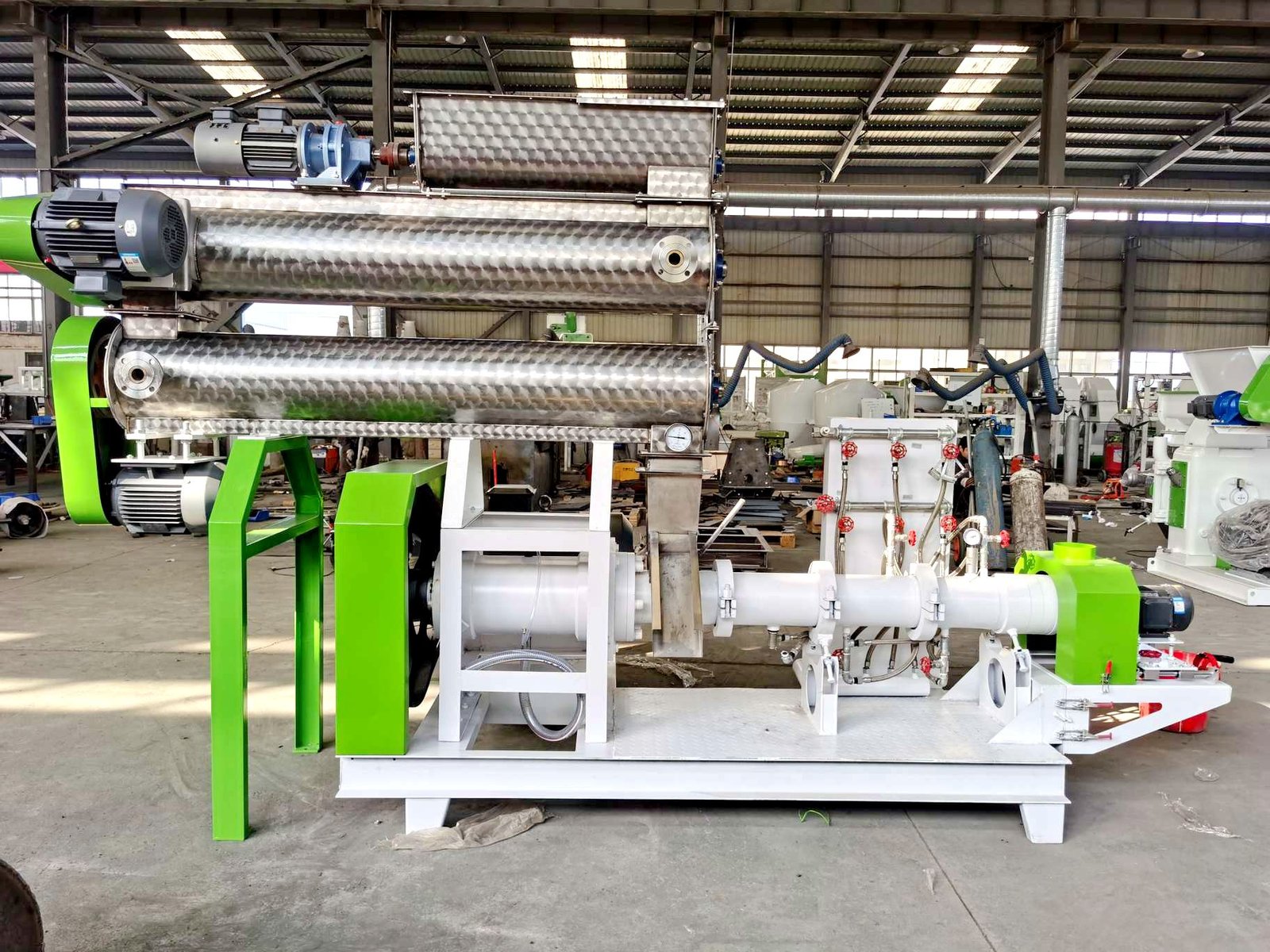
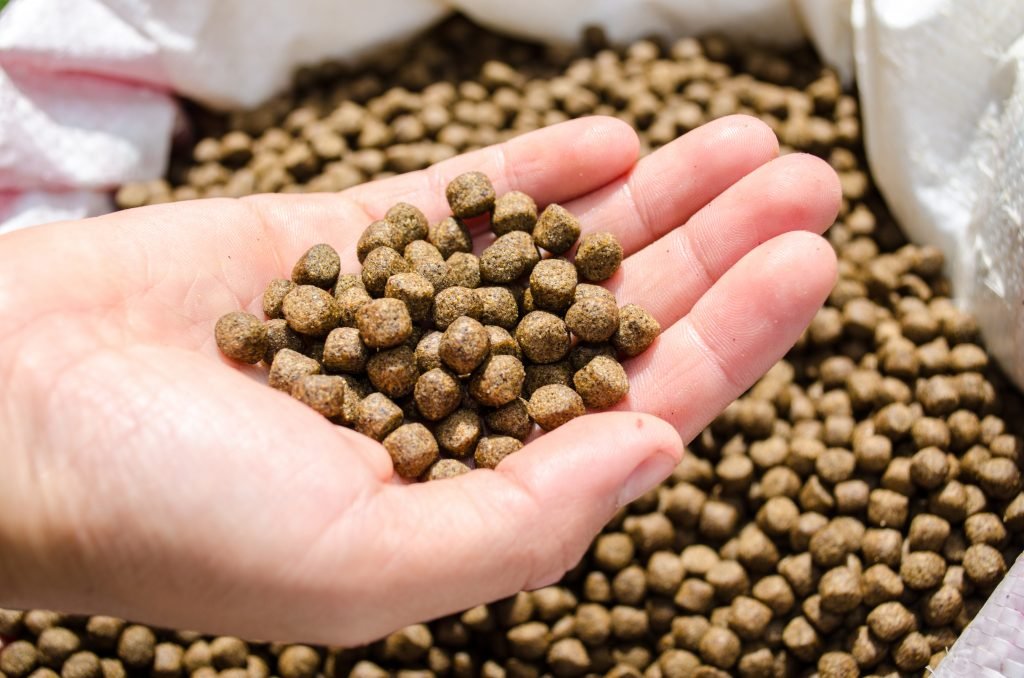
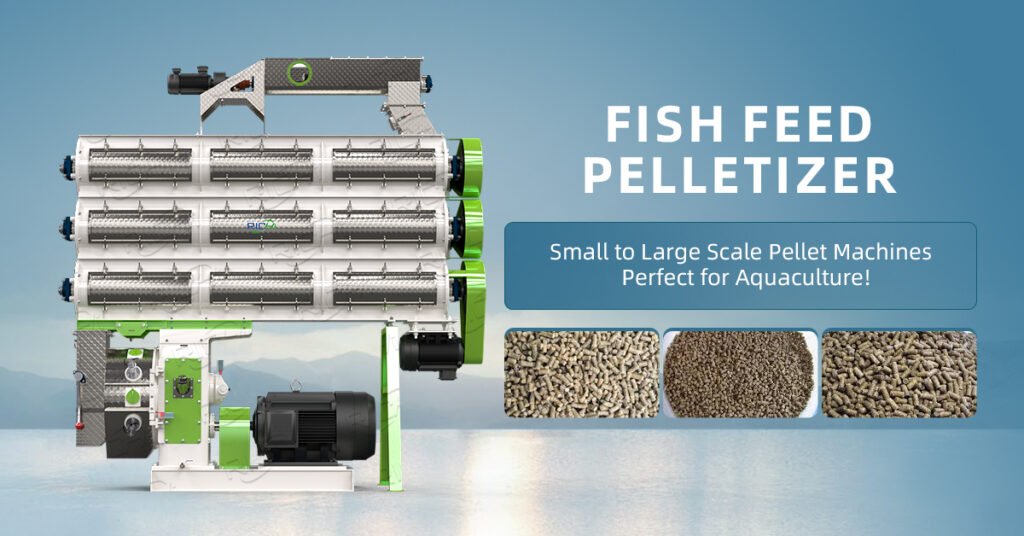
The quality of pelleting equipment itself plays a major role in determining feed quality. A modern fish pellet making machine is designed to produce pellets with consistent size, density, hardness, and durability. These characteristics directly affect feed handling, storage, transportation, and consumption by fish.
High-quality pellets should maintain their shape during transportation and feeding while remaining sufficiently digestible for efficient nutrient utilization. Poorly formed pellets can generate excessive fines, increase feed waste, and reduce customer satisfaction.
The fish pellet making machine must be properly maintained to ensure consistent performance. Worn dies, damaged rollers, and inadequate lubrication can negatively impact pellet quality and production efficiency. Preventive maintenance programs help minimize downtime and ensure optimal machine operation.
Pellet durability is one of the most important indicators of feed quality. Durable pellets resist breakage during handling and transportation, reducing feed losses and maintaining product consistency. Manufacturers can improve pellet durability through proper formulation, conditioning, and equipment optimization.
Water stability is particularly important for aquatic feeds. Unlike livestock feed, aquatic feed must maintain its structure in water long enough for fish or shrimp to consume it. Poor water stability can lead to nutrient leaching, feed waste, and water pollution.
Several factors influence water stability, including ingredient selection, starch content, binder usage, and processing conditions. Wheat flour, wheat gluten, and specialized binders are commonly used to improve pellet integrity. Optimizing conditioning temperature and pelletizing parameters can further enhance water stability.
For shrimp feed, water stability requirements are especially demanding. Shrimp often consume feed slowly, requiring pellets to remain intact for extended periods. Consequently, shrimp feed manufacturers invest heavily in technologies that improve pellet durability and resistance to water degradation.
Extrusion technology offers another effective method for improving aquatic feed quality. Extruders use heat, pressure, and mechanical energy to transform feed ingredients into highly digestible pellets. The extrusion process improves starch gelatinization, destroys anti-nutritional factors, and enhances nutrient availability.(Learn more about industrial wet type fish feed extruder)
Extrusion is commonly used to produce floating fish feed. Floating feed offers several advantages, including improved feeding management, reduced feed waste, and easier observation of fish behavior. Farmers can monitor feed consumption more effectively and adjust feeding practices accordingly.
Feed additives provide additional opportunities to enhance feed quality. Modern aquatic feeds often contain enzymes, probiotics, prebiotics, antioxidants, pigments, immunostimulants, and attractants.
Enzymes improve nutrient digestibility by breaking down complex feed components. Phytase, for example, increases phosphorus availability from plant-based ingredients. Proteases improve protein digestion, while carbohydrases enhance carbohydrate utilization.
Probiotics support digestive health by promoting beneficial intestinal microorganisms. Improved gut health often leads to better nutrient absorption, stronger immune function, and enhanced growth performance.
Prebiotics work synergistically with probiotics by providing nutrients that support beneficial bacteria. Together, these additives contribute to a healthier digestive system and improved feed efficiency.
Antioxidants protect feed ingredients from oxidation during storage and transportation. Oxidized fats can reduce feed quality and negatively affect fish performance. Incorporating antioxidants helps maintain nutritional value and extend shelf life.
Immunostimulants such as beta-glucans, nucleotides, and plant extracts can improve disease resistance and reduce mortality rates. As disease challenges continue to affect aquaculture operations worldwide, these additives have become increasingly important components of premium feed products.
Quality control systems are essential for maintaining consistent feed quality. Effective quality assurance programs monitor every stage of production, from raw material receiving to finished product packaging.
Laboratory testing should include nutrient analysis, moisture determination, pellet durability evaluation, water stability assessment, microbial screening, and contaminant detection. Regular testing allows manufacturers to identify potential issues before products reach customers.
Moisture control is particularly important. Excessive moisture can promote mold growth and reduce feed shelf life, while insufficient moisture may negatively affect pellet quality. Maintaining appropriate moisture levels throughout production and storage helps preserve product integrity.
Storage conditions also influence feed quality. Finished feed should be stored in clean, dry, well-ventilated facilities protected from pests, moisture, and excessive temperatures. Proper inventory management helps ensure that feed is distributed before quality deterioration occurs.
Packaging technology can further improve feed quality. High-quality packaging protects feed from environmental factors during transportation and storage. Modern packaging materials often provide barriers against moisture, oxygen, and ultraviolet light.
Vacuum coating technology represents another significant advancement in aquatic feed production. This process allows oils, vitamins, attractants, and other additives to penetrate deeply into pellets. Compared with conventional surface spraying, vacuum coating improves nutrient retention and feed performance.
Automation and digital technologies are increasingly helping manufacturers improve feed quality efficiently. Modern production facilities use sensors, computerized control systems, and real-time monitoring tools to optimize manufacturing parameters.
Automated systems can continuously monitor temperature, moisture, pressure, throughput, and equipment performance. This information allows operators to make immediate adjustments and maintain consistent product quality.
Artificial intelligence and machine learning technologies are beginning to influence feed manufacturing as well. These tools can analyze production data, identify trends, predict maintenance requirements, and optimize processing conditions. As these technologies become more accessible, they are expected to play a larger role in quality improvement efforts.
Employee training is another critical factor. Even the most advanced equipment cannot compensate for inadequate operator knowledge. Well-trained employees understand production procedures, quality standards, equipment maintenance requirements, and troubleshooting techniques.
Regular training programs help ensure that staff members remain up to date with industry developments and best practices. Investing in employee development often leads to significant improvements in product quality and operational efficiency.
Sustainability has also become an important consideration in feed quality improvement. Modern aquaculture increasingly emphasizes environmentally responsible production methods. Feed manufacturers are exploring alternative proteins, sustainable oils, and eco-friendly additives that maintain performance while reducing environmental impacts.
Insect meal, microbial protein, algae-derived ingredients, and novel plant proteins offer promising opportunities for sustainable feed production. These ingredients can help reduce dependence on traditional marine resources while maintaining nutritional quality.
Environmental performance and feed quality are closely linked. Highly digestible feeds reduce nutrient waste and improve water quality, benefiting both fish health and ecosystem sustainability. Therefore, improving feed quality often supports broader environmental objectives.
Customer feedback provides valuable insights for continuous improvement. Successful feed manufacturers regularly communicate with fish farmers to evaluate product performance under real-world conditions. Information regarding growth rates, feed conversion ratios, survival rates, and operational challenges helps guide future product development.
Field trials are particularly useful for validating feed improvements. By comparing new formulations or processing methods against existing products, manufacturers can measure performance differences and identify opportunities for further optimization.
Economic considerations should never be overlooked when pursuing feed quality improvements. The goal is not simply to create the most expensive feed possible but rather to maximize value. Effective quality improvements generate measurable benefits that exceed their associated costs.
For example, investing in a high-performance fish pellet making machine may increase initial capital expenditures, but the resulting improvements in pellet quality, production efficiency, and customer satisfaction often justify the investment. Similarly, better ingredient selection and quality control systems may increase production costs slightly while delivering substantial long-term benefits.(Look here)
As global aquaculture production continues to expand, competition among feed manufacturers will intensify. Companies that consistently deliver high-quality products will be better positioned to attract customers and achieve sustainable growth.
The future of aquatic feed production will likely involve greater precision nutrition, advanced processing technologies, increased automation, and more sustainable ingredient sourcing. Manufacturers that embrace innovation while maintaining rigorous quality standards will continue to lead the industry.
In conclusion, improving aquatic feed quality efficiently requires a comprehensive approach that addresses every aspect of production. High-quality raw materials, optimized formulations, effective grinding and mixing, proper conditioning, advanced processing technologies, reliable quality control systems, and modern equipment such as a fish pellet making machine all contribute to superior feed performance. By focusing on continuous improvement and adopting innovative technologies, feed manufacturers can produce high-quality aquatic feeds that support fish health, improve farm profitability, and contribute to the sustainable development of the global aquaculture industry.