




Renewable energy development has become one of the most important industrial trends of the past decade. Governments, businesses, and consumers are increasingly looking for cleaner energy alternatives that can reduce dependence on fossil fuels while supporting sustainable economic growth.
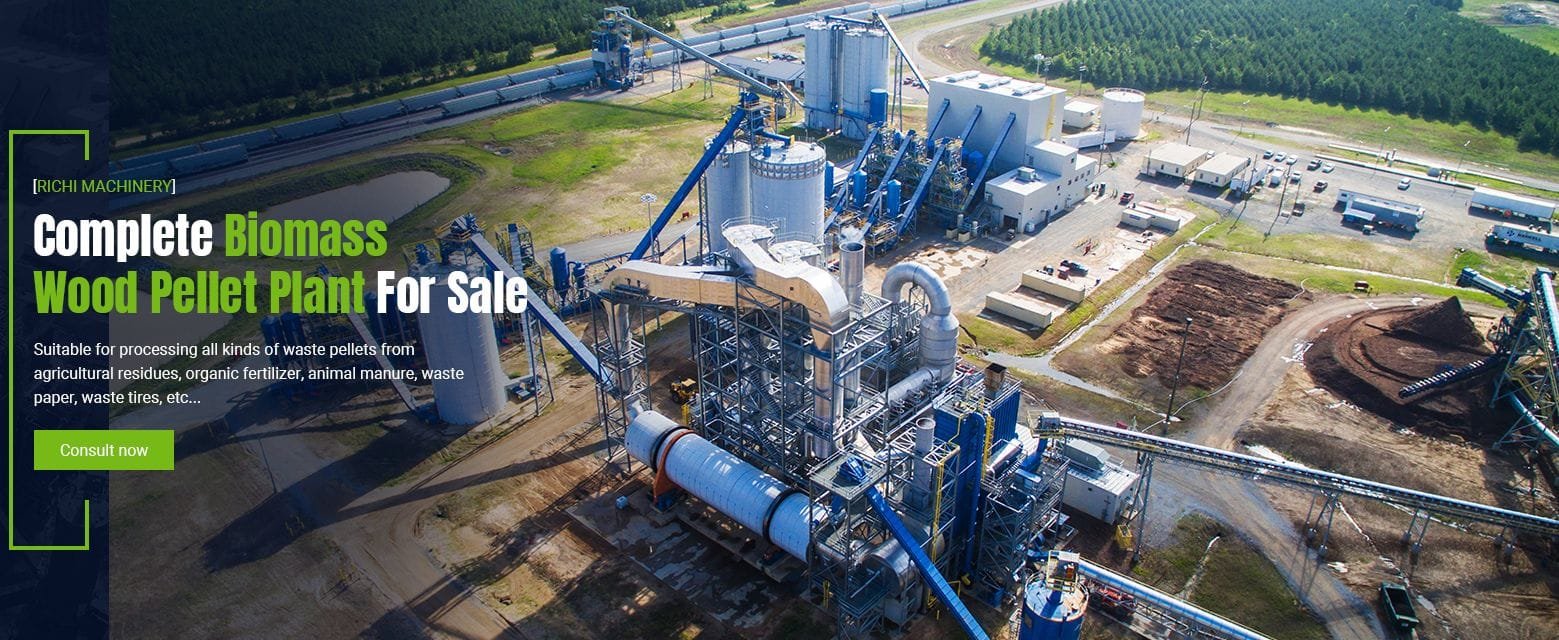
Among the many renewable energy options available today, biomass pellets have gained considerable attention because they offer a practical way to convert organic materials into a standardized and transportable fuel source. Wood waste, agricultural residues, and forestry by-products can all be transformed into valuable biomass fuel that serves a wide range of industrial and commercial applications.
However, building a successful pellet production business involves much more than purchasing equipment. Companies that consistently achieve strong returns typically focus on resource planning, operational efficiency, market positioning, and long-term scalability.
The Expanding Demand for Renewable Solid Fuels
Many countries are actively increasing the use of renewable energy within their power generation and industrial heating sectors.
Several factors are contributing to this growth:
- Carbon reduction targets
- Rising fossil fuel prices
- Improved biomass technologies
- Government incentive programs
- Increased environmental awareness
As demand continues to expand, pellet manufacturers are finding opportunities in both domestic and export markets.
Industrial consumers particularly value biomass pellets because they offer relatively stable fuel characteristics compared with raw agricultural residues. Uniform size, lower moisture content, and improved energy density make pellets easier to handle and more efficient to use.
These advantages have helped establish pellet fuel as an important component of many renewable energy strategies worldwide.
(Related Post: https://www.richipelletmill.com/vertical-ring-die-pellet-mill/ )
Why Raw Material Planning Determines Long-Term Profitability
A pellet plant can only perform as well as its raw material supply chain.
One of the most common mistakes made by new investors is underestimating the importance of feedstock management.
Raw materials represent a substantial portion of operating costs. Even small fluctuations in supply availability or transportation expenses can significantly affect profitability.
Successful operators often establish long-term sourcing agreements and diversify their feedstock options to reduce risk.
Depending on regional availability, common biomass resources include:
- Sawdust
- Wood chips
- Rice husks
- Wheat straw
- Corn stalks
- Forestry residues
- Palm biomass waste
A diversified supply strategy can help ensure stable production throughout the year.
The Evolution of Pellet Manufacturing Technology
Pellet production technology has advanced considerably over the past several years.
Modern facilities increasingly prioritize:
Energy Efficiency
Reducing power consumption lowers production costs and improves competitiveness.
Automation
Automated systems improve consistency while reducing labor requirements.
Equipment Reliability
Longer service life helps maximize return on investment.
Flexible Material Processing
The ability to process different biomass materials allows businesses to adapt to changing market conditions.
As equipment technology improves, manufacturers gain greater control over production quality and operational efficiency.
Why Vertical Pelletizing Systems Continue to Gain Attention
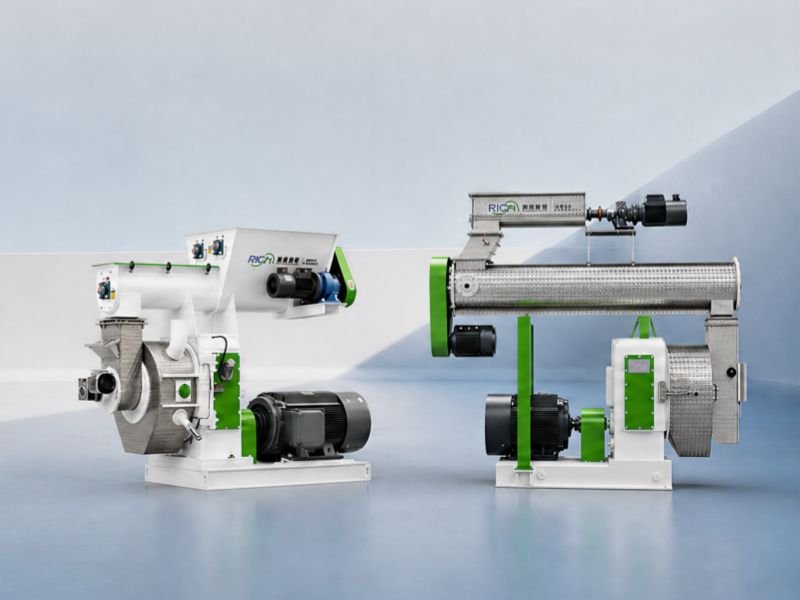
The pellet mill remains one of the most important pieces of equipment within any biomass production facility.
Among the available technologies, the vertical ring die pelletizer has attracted growing interest from manufacturers seeking stable performance and feedstock flexibility.
Many producers appreciate this equipment configuration because it can support efficient material distribution and accommodate a variety of biomass resources.
Potential applications include:
- Wood pellet production
- Agricultural waste pelletizing
- Forestry residue processing
- Energy fuel pellet manufacturing
The ability to process multiple raw materials can be particularly valuable in regions where seasonal availability influences feedstock supply.
Medium-Capacity Plants Are Becoming Increasingly Popular
While large-scale industrial facilities often receive the most attention, medium-capacity pellet plants represent a growing segment of the market.
Many investors prefer systems that balance production capability with manageable investment requirements.
A properly designed 2-3 T/H straw pellet mill for sale can offer several advantages:
- Lower capital expenditure
- Faster project implementation
- Reduced operational complexity
- Easier workforce management
- Flexible market targeting
Medium-sized projects are often attractive to agricultural businesses, energy entrepreneurs, and regional fuel suppliers.
These facilities can also serve as a foundation for future expansion as market demand grows.
Operational Efficiency Creates Competitive Advantages
As pellet markets become more competitive, efficiency is becoming a key differentiator.
Successful manufacturers continuously seek ways to improve:
Production Throughput
Higher productivity can reduce unit production costs.
Energy Utilization
Efficient operations improve profitability.
Product Consistency
Reliable quality strengthens customer relationships.
Equipment Availability
Minimizing downtime helps maximize output.
Rather than focusing exclusively on production volume, many companies now emphasize operational excellence across the entire manufacturing process.
The Role of Automation in Modern Pellet Plants
Automation technologies are becoming increasingly accessible for pellet producers.
Advanced control systems can monitor:
- Motor performance
- Production rates
- Temperature conditions
- Moisture levels
- Equipment operating status
This real-time visibility allows operators to identify inefficiencies quickly and make informed adjustments.
Automated production environments often experience fewer interruptions and more consistent product quality compared with heavily manual operations.
As labor costs continue to rise in many regions, automation is expected to play an even larger role in future facility designs.
Sustainability Is Driving Investment Decisions
Environmental performance has become a significant factor in business decision-making.
Investors, lenders, customers, and regulators are paying closer attention to sustainability initiatives than ever before.
Biomass pellet production supports several important environmental objectives:
- Renewable energy utilization
- Waste reduction
- Resource efficiency
- Lower carbon emissions
- Improved agricultural residue management
Projects that contribute to sustainability goals may also benefit from government support programs and favorable market positioning.
This combination of economic and environmental benefits continues to attract new participants to the biomass industry.
Choosing the Right Equipment Partner
Selecting machinery is an important decision, but choosing the right supplier can be equally important.
A qualified equipment provider should offer support throughout the entire project lifecycle.
Key services often include:
Project Consultation
Helping investors identify suitable production solutions.
Engineering Design
Optimizing plant layouts and process flow.
Installation Support
Ensuring equipment operates correctly from the beginning.
Training Programs
Helping operators develop necessary technical skills.
Long-Term Service
Providing maintenance and troubleshooting assistance.
Many biomass producers value suppliers such as Richi Pelletizer because comprehensive support can significantly improve project outcomes and operational stability.
Emerging Opportunities in Specialized Pellet Markets
While fuel pellets remain the largest market segment, specialized pellet products are creating new opportunities.
Examples include:
- Animal bedding pellets
- Absorbent pellets
- Industrial process pellets
- Agricultural application pellets
These niche markets often require customized production approaches but may offer attractive profit margins.
Businesses that understand local demand and adapt accordingly can sometimes develop strong competitive advantages.
Building for the Future Rather Than the Present
One of the most important lessons in biomass manufacturing is that markets constantly evolve.
A production facility designed solely for current conditions may struggle to remain competitive in the future.
Forward-thinking companies often prioritize:
- Equipment flexibility
- Expansion capability
- Feedstock diversity
- Automation readiness
- Product diversification
These considerations help create resilient businesses that can adapt as opportunities emerge.
Conclusion
The biomass pellet industry continues to evolve as renewable energy adoption accelerates around the world. While technology plays an important role, successful projects are ultimately built on a combination of reliable feedstock sourcing, efficient operations, sound planning, and strategic market positioning.
Businesses that focus on long-term sustainability, operational excellence, and production flexibility are often best equipped to thrive in a competitive energy landscape. To explore more industry insights and practical solutions for biomass processing, check my source for additional information and project examples from across the pellet manufacturing sector.