




The renewable energy industry is expanding rapidly as businesses search for cleaner and more sustainable fuel alternatives. Among various biomass resources, rice husks have become one of the most promising materials for pellet fuel production. Every year, rice processing industries generate millions of tons of rice husks worldwide, especially in agricultural regions across Asia, Africa, and South America. Instead of treating this by-product as waste, manufacturers are increasingly investing in the rice husk pellet mill to convert agricultural residues into profitable biomass fuel.
Rice husk pellets are now widely used in industrial boilers, biomass heating systems, and renewable power plants. Pelletized fuel provides higher energy density, lower storage costs, and more stable combustion compared with loose agricultural waste. As environmental regulations become stricter, biomass fuel production is attracting greater attention from industrial users and energy investors.
Why Rice Husk Biomass Fuel Is Growing
Rice husks are produced in large quantities during rice milling operations. In many countries, improper disposal of these materials creates environmental concerns such as open burning and air pollution. Biomass pellet production offers an efficient recycling solution that transforms waste into useful renewable fuel.
Compared with raw rice husks, pellets are easier to transport and store because of their compact structure. They also burn more evenly and generate less dust during handling. This makes pellet fuel highly suitable for commercial and industrial energy applications.
However, rice husks contain high silica content, which increases wear on processing equipment. For this reason, a durable and professionally designed rice husk pellet mill is essential for stable long-term operation and consistent pellet quality.
Main Equipment in a Rice Husk Pellet Plant
A complete rice husk pellet production system includes several important processing stages. Raw materials are first cleaned and screened to remove impurities. Depending on the moisture level, drying equipment may also be necessary before pelletizing.
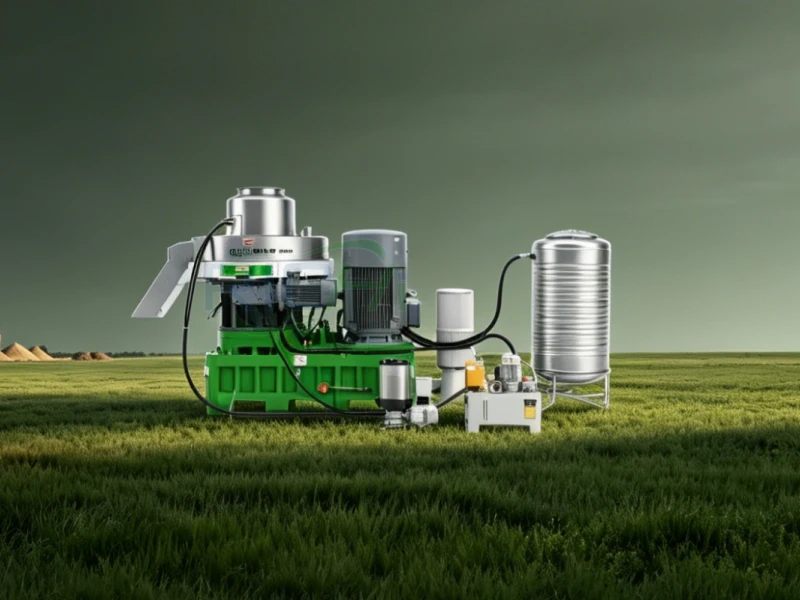
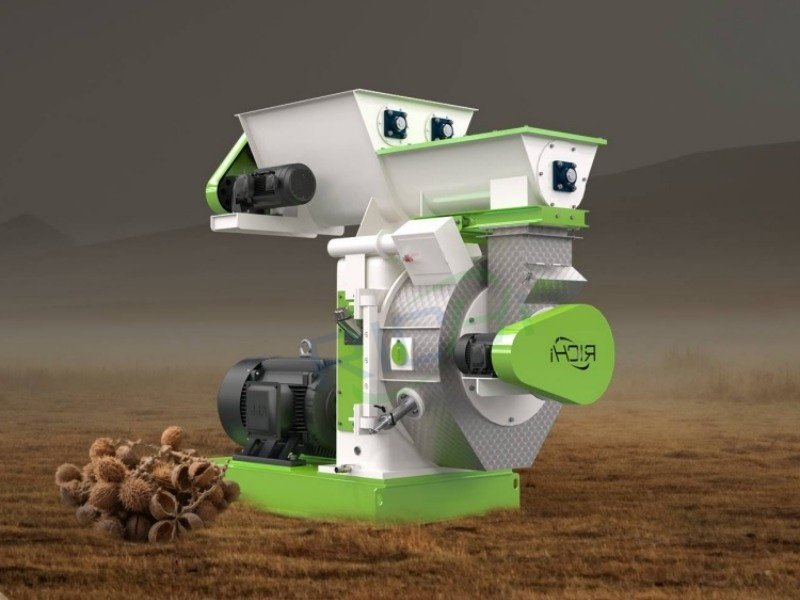
After pretreatment, crushing systems help achieve uniform particle size for efficient compression. The pellet mill then compresses the material into dense cylindrical pellets using high pressure and friction.
The finished pellets are cooled, screened, and packed before storage or transportation. Automated control systems are increasingly used to improve production efficiency and reduce labor requirements.
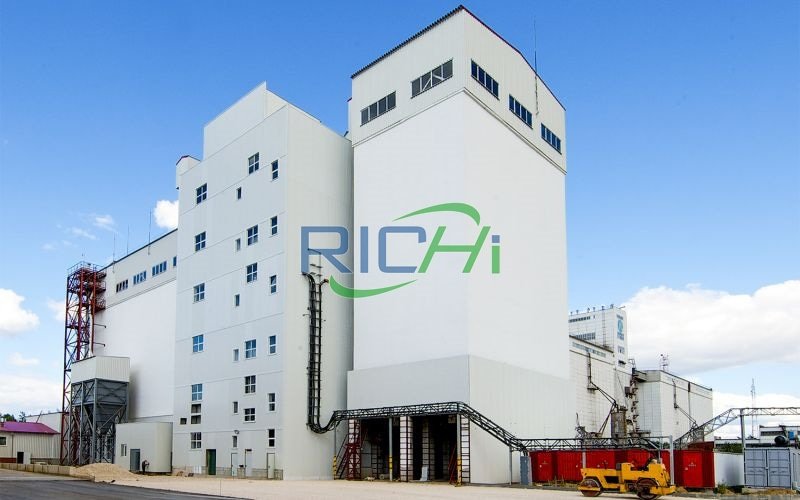
For commercial biomass fuel projects, many investors compare the 0.5-10 T/H husk pellet press machine cost because different production capacities are suitable for different business scales. Small-capacity systems are ideal for agricultural cooperatives and farms, while larger pellet plants are often used for industrial biomass fuel supply.
Advantages of Modern Pellet Production Technology
Modern biomass pellet equipment focuses heavily on automation, energy efficiency, and durability. Advanced control systems allow operators to monitor production parameters in real time, helping maintain stable pellet quality while reducing operating costs.
Since rice husks are abrasive materials, wear-resistant components are especially important. High-quality pellet mills use reinforced ring dies, durable rollers, and optimized feeding systems to improve machine lifespan and production stability.
Manufacturers such as Richi manufacture provide customized pellet production solutions according to local raw material conditions, plant layouts, and production requirements. Customized engineering design helps improve operational efficiency and long-term profitability.
How to Choose the Right Pellet Production Equipment
Before purchasing biomass pellet equipment, investors should carefully evaluate raw material characteristics, moisture content, target output, automation level, and electricity consumption.
Future business expansion should also be considered during project planning. Many investors prefer modular production lines that allow capacity upgrades as fuel demand increases.
Proper plant design and equipment matching are critical for achieving stable production performance and reducing maintenance costs. To explore additional technical details and biomass production solutions, you can visit site for more information about pellet manufacturing systems.
Future Outlook for Biomass Pellet Production
Global demand for renewable energy continues to drive growth in the biomass fuel industry. Rice husks and other agricultural residues are becoming increasingly valuable as sustainable fuel resources.
With efficient pelletizing technology and professional project planning, rice husk pellet production offers excellent long-term opportunities for agricultural processors, biomass fuel suppliers, and renewable energy companies seeking sustainable industrial growth.
(Related Post: https://biomasspelletizer.com/rice-husk-pellet-machine/)