

Horse breeding has entered a new era. Whether managing a racing stable, breeding center, equestrian club, or commercial livestock operation, feed quality has become one of the most important factors affecting horse health and economic performance.
Traditional powder feed is gradually being replaced by pellet feed because of its superior digestibility, easier transportation, and lower waste. Behind this transition lies one key piece of equipment that has become increasingly popular among feed manufacturers and horse farm owners.
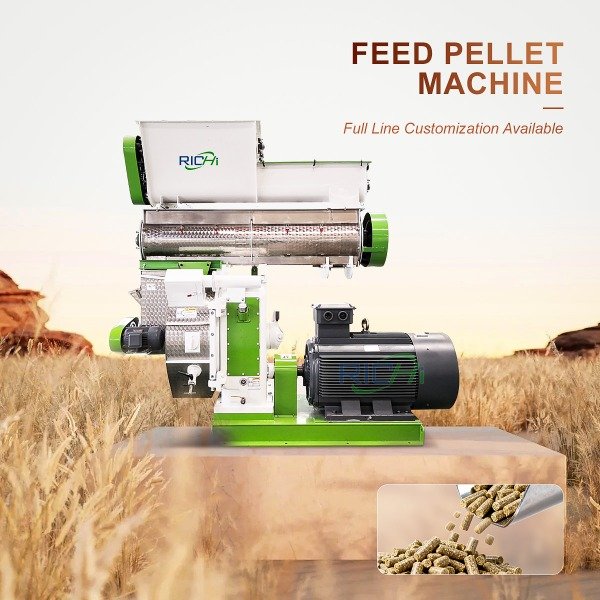
Modern pellet production systems allow operators to process hay, grains, and nutritional additives into high-quality feed pellets that are easier for horses to consume and absorb. For farms aiming to increase efficiency and maintain stable feed quality, investing in a horse feed machine has become a practical solution rather than a luxury.
In recent years, technological improvements have transformed feed manufacturing from a labor-intensive process into a highly automated and profitable business. But what exactly makes these systems so valuable?
Why Horse Feed Requires Special Processing
Unlike cattle and poultry, horses possess a sensitive digestive system. Their nutritional requirements vary according to age, activity level, and physiological stage.
A growing foal requires different nutrient levels compared to a mature racehorse or a retired horse. Feed must deliver balanced amounts of:
- Fiber
- Protein
- Starch
- Vitamins
- Minerals
- Trace elements
Traditional mash feed often creates several problems:
Ingredient Separation
Light ingredients and heavy ingredients may separate during transportation, causing uneven nutrition.
Feed Dust
Powder feed generates dust, which can affect respiratory health.
Feed Waste
Horses tend to sort ingredients and leave behind portions they dislike.
Short Storage Life
Loose feed absorbs moisture more easily and occupies larger storage areas.
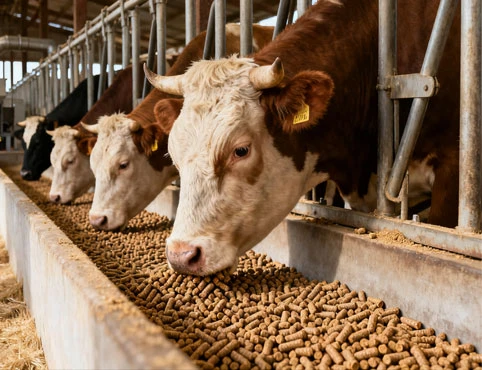
Pellet feed solves these challenges by compressing all ingredients into uniform particles.
As a result, many producers have begun upgrading their facilities with modern horse feed machine systems capable of producing premium feed products.
Why Pellet Feed Has Become the Preferred Choice
The popularity of pellet feed continues to rise worldwide for several reasons.
Better Feed Utilization
Pelletized feed improves nutrient absorption and reduces waste.
Increased Palatability
Steam conditioning enhances aroma and texture, encouraging consumption.
Easier Transportation
Dense pellets occupy less space and reduce logistics costs.
Improved Hygiene
Heat treatment during pelletizing helps minimize harmful microorganisms.
More Stable Nutrition
Every pellet contains the same nutritional formula, ensuring consistent performance.
These advantages explain why horse farms, feed mills, and animal nutrition companies increasingly prefer pelletized feed products.
Inside the Feed Production Process
Although feed manufacturing appears simple, producing premium horse pellets requires several carefully coordinated stages.
Raw Material Preparation
Common raw materials include:
- Alfalfa powder
- Corn
- Oats
- Soybean meal
- Wheat bran
- Molasses
- Mineral additives
- Vitamin premixes
Raw materials are first crushed to ensure uniform particle size.
Mixing
The ingredients are blended thoroughly to guarantee balanced nutrition throughout the batch.
Accurate mixing directly influences pellet quality and animal performance.
Steam Conditioning
Conditioning introduces moisture and heat to soften the material.
This process offers several benefits:
- Better gelatinization
- Improved pellet durability
- Higher nutrient digestibility
- Enhanced pellet appearance
Pellet Formation
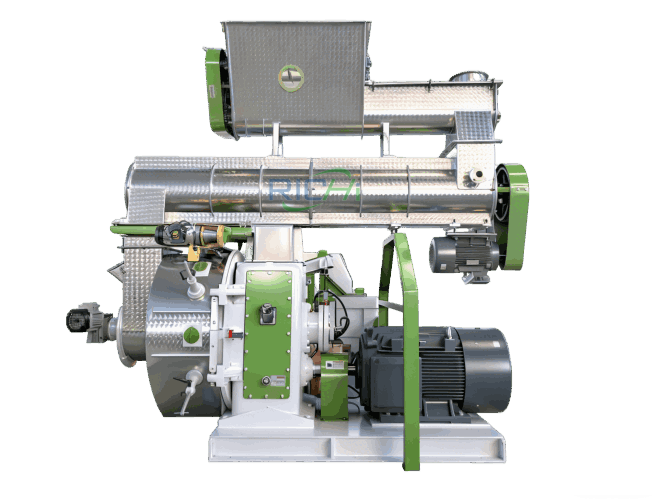
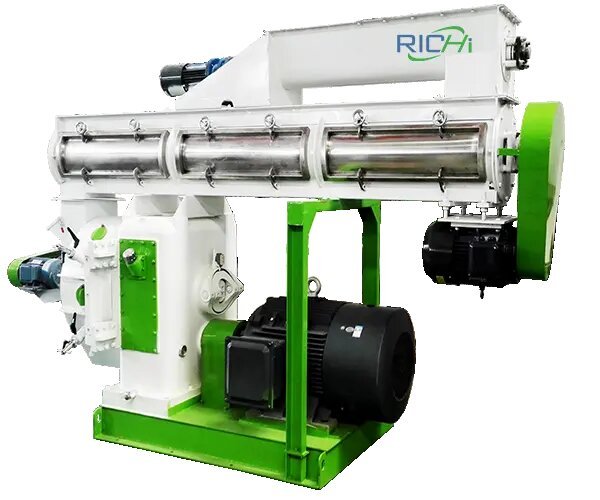
The conditioned material enters the compression chamber, where rollers force it through the die holes.
At this stage, the core component responsible for shaping pellets is the pellet press.
This machine converts loose powder into dense and durable pellets that can withstand storage and transportation.
Modern pellet systems offer:
- Stable production capacity
- Low energy consumption
- Uniform pellet size
- Long service life
- High production efficiency
These features make pellet manufacturing economically attractive for farms of all sizes.
How Horse Farms Are Benefiting Financially
Producing feed internally provides substantial economic advantages.
Lower Feed Costs
Buying raw materials directly is often cheaper than purchasing finished feed.
Greater Formula Flexibility
Farm owners can adjust feed formulations according to seasonal requirements and horse categories.
Reduced Transportation Expenses
Pellets have higher density and lower volume compared with mash feed.
Improved Horse Performance
Balanced nutrition contributes to better growth, endurance, and reproduction.
Additional Business Opportunities
Many horse farms process feed not only for themselves but also for neighboring breeders.
This creates an extra source of income while maximizing equipment utilization.
Smart Equipment Is Changing Small Farms Too
Large feed factories are not the only beneficiaries of pellet production technology.
Portable systems are becoming increasingly popular among smaller farms and remote regions.
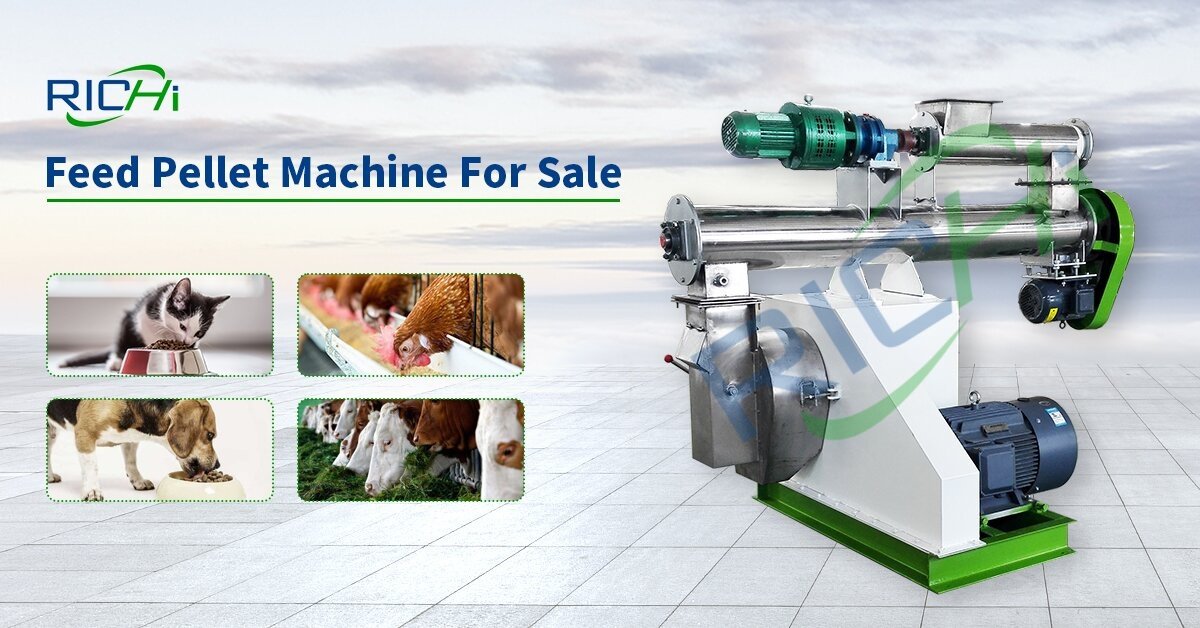
One example is the mobile sheep feed pellet machine, which provides flexibility for livestock producers who need efficient feed production without constructing permanent facilities.
Mobile systems offer several advantages:
Convenient Transportation
Equipment can be moved between different locations.
Lower Initial Investment
No expensive buildings are required.
Rapid Installation
Production can begin shortly after arrival.
Multi-Animal Compatibility
Besides sheep feed, these systems can also process horse, cattle, goat, and rabbit feed.
This versatility makes mobile feed equipment highly attractive for mixed farming operations.
Key Components That Determine Pellet Quality
Many people focus only on production capacity, but pellet quality depends heavily on machine configuration.
Feed Screw System
Ensures continuous material supply.
Conditioner
Improves moisture content and nutrient digestibility.
Ring Die
Determines pellet diameter and compression ratio.
Rollers
Provide pressure required for pellet formation.
Main Motor
Supplies stable power for continuous operation.
Cooling Equipment
Reduces moisture and increases pellet hardness.
Together, these components ensure stable production and high-quality feed.
Common Problems and Practical Solutions
Even advanced machines occasionally encounter operational issues.
Low Pellet Hardness
Possible reasons:
- Insufficient steam conditioning
- Excessive moisture
- Worn die
Solutions:
- Adjust moisture content
- Increase conditioning temperature
- Replace worn components
Excessive Powder Content
Causes:
- Incorrect compression ratio
- Poor cooling performance
Solutions:
- Optimize die specifications
- Improve cooling efficiency
Blocked Die Holes
Reasons:
- Inconsistent raw materials
- Improper lubrication
Solutions:
- Clean dies regularly
- Maintain stable formulations
Many technicians and farm operators share practical experiences through industry blogs and a knockout post, where real production cases often provide valuable troubleshooting methods.
These practical insights help users optimize production and improve profitability.
Automation Is Leading the Future of Feed Manufacturing
Today’s feed plants are far more intelligent than traditional systems.
Advanced technologies include:
PLC Control Systems
Enable automatic operation and reduce labor requirements.
Frequency Conversion Feeding
Maintains stable feed rates and saves energy.
Intelligent Sensors
Monitor:
- Temperature
- Pressure
- Current load
- Moisture levels
Remote Monitoring
Allows operators to supervise equipment performance from smartphones and computers.
Automatic Lubrication
Extends component lifespan and reduces maintenance requirements.
Automation has dramatically improved productivity while lowering operating costs.
Environmental Benefits of Pellet Production
Sustainable agriculture is becoming increasingly important.
Modern pellet production supports environmental goals through:
Reduced Dust Emissions
Pellets generate significantly less dust than powder feed.
Lower Material Waste
Improved feed conversion means fewer resources are consumed.
Reduced Transportation Costs
Compact pellets maximize loading efficiency.
Better Storage Efficiency
Higher bulk density saves warehouse space.
Improved Feed Safety
Heat treatment helps reduce bacteria and contaminants.
As sustainability becomes a global priority, pellet production technology aligns perfectly with modern agricultural development.
Future Trends in Horse Feed Processing
The feed industry continues to evolve rapidly.
Several trends are expected to dominate the coming years.
Precision Nutrition
Customized feed formulas for specific horse categories.
Smart Manufacturing
Greater integration of automation and digital monitoring.
Energy Efficiency
Lower electricity consumption and reduced operating costs.
Flexible Production
Equipment capable of processing multiple feed types.
Mobile Feed Plants
Portable solutions will gain popularity among small and medium farms.
Premium Feed Products
Demand for high-quality horse feed continues to increase globally.
These developments are creating new opportunities for investors and feed producers.
Final Thoughts
Producing superior horse feed is no longer solely about selecting ingredients. Modern processing technology has become equally important. From raw material preparation and conditioning to pelletizing and cooling, every stage influences feed quality and farm profitability.
For horse breeders seeking higher efficiency and better animal performance, investing in a reliable horse feed machine provides long-term economic advantages. Combined with advanced pellet press technology, producers can manufacture uniform, durable, and nutritionally balanced pellets that meet modern market demands.
Meanwhile, innovative solutions such as the mobile sheep feed pellet machine demonstrate how flexibility and mobility are reshaping feed production. By learning from industry experiences and technical resources found in a knockout post, producers can continuously optimize their operations and remain competitive in an increasingly demanding livestock market.
Related Post:https://pelletizerequipment.com/livestock-feed-pellet-machine/