

In modern agriculture, waste is no longer something to discard—it’s an untapped resource. With stricter environmental regulations and rising fertilizer costs, farms are actively seeking sustainable solutions. A chicken manure pellet production line offers exactly that: a way to convert poultry waste into valuable organic fertilizer while improving farm efficiency and profitability.
Why Chicken Manure Needs Advanced Processing
Raw chicken manure contains high moisture, pathogens, and unstable nutrients. Direct application can lead to soil imbalance, unpleasant odors, and environmental pollution. That’s why proper processing is essential.
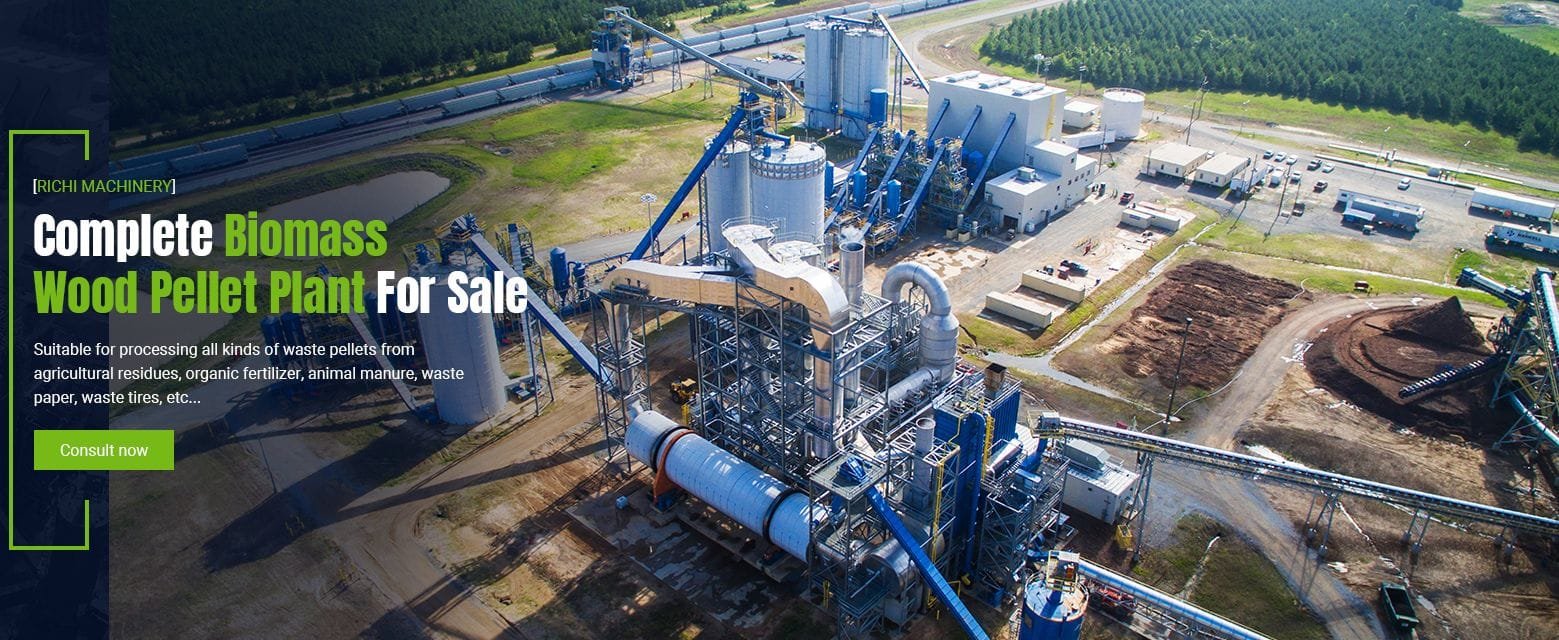
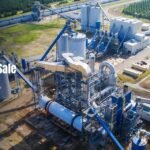
A complete production line transforms raw manure into uniform, dry, and nutrient-rich pellets. Through fermentation, drying, crushing, and granulating, the final product becomes safe, easy to store, and highly effective for crop use. This not only reduces waste but also creates a new revenue stream for poultry farms.
How the Production Line Works
The process typically begins with composting or fermentation to eliminate harmful bacteria and stabilize nutrients. After that, the material is dried to reduce moisture content, ensuring better pellet formation.
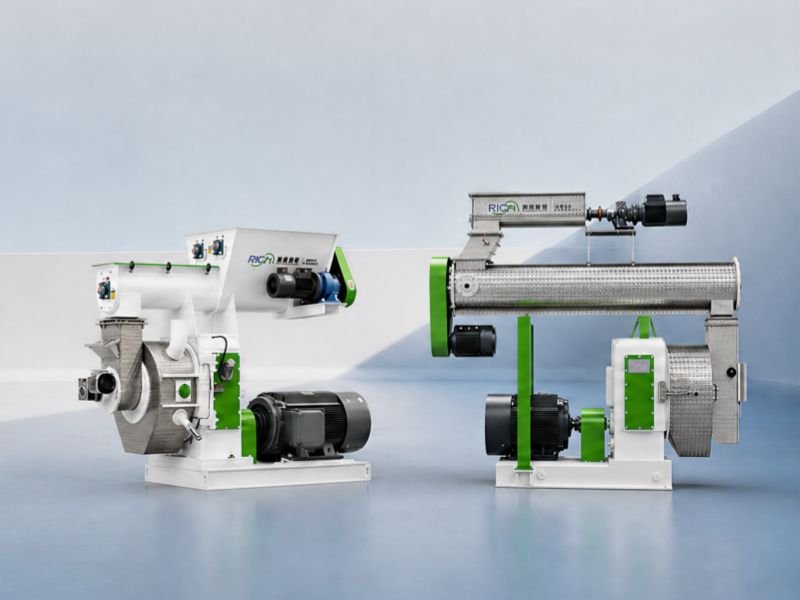
The core step is granulation. A fertilizer granulator machine compresses the processed material into dense pellets with consistent size and shape. These pellets are then cooled, screened, and packaged for sale or direct agricultural use.
What makes this system efficient is its automation and scalability. Whether you operate a small farm or a large poultry enterprise, the production line can be tailored to match your capacity.
From Waste Management to Business Opportunity
One of the most compelling advantages of a chicken manure pellet production line is its ability to turn a disposal problem into a profitable business. Organic fertilizer pellets are in high demand due to the global shift toward sustainable farming and reduced chemical usage.
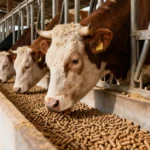
Interestingly, farms that already use a livestock feed pellet machine can easily integrate manure processing into their operations. This creates a closed-loop system where feed production and waste recycling work together, improving overall farm sustainability.
Key Benefits You Shouldn’t Ignore
First, the environmental impact is significantly reduced. Properly processed manure minimizes water contamination and greenhouse gas emissions.
Second, pelletized fertilizer is easier to transport and apply. Compared to raw manure, pellets have a longer shelf life and more stable nutrient content.
Third, the economic return is attractive. By selling organic fertilizer, farms can diversify their income streams and reduce dependence on traditional revenue sources.
Choosing the Right Equipment Supplier
The success of your project largely depends on the quality of your equipment and technical support. A reliable supplier will provide not only machinery but also guidance on plant design, installation, and operation.
If you’re planning to invest in such a system, it’s worth taking the time to explore your options. You can click now to discover detailed solutions and real project cases. Established manufacturers like Richi Machinery have extensive experience in delivering customized pellet production lines for global clients.
Conclusion: A Sustainable Step Forward
A chicken manure pellet production line is more than just a waste treatment system—it’s a strategic upgrade for modern agriculture. By converting waste into valuable organic fertilizer, farms can reduce environmental impact, improve efficiency, and unlock new profits.
As sustainability becomes a global priority, investing in this technology is not just smart—it’s essential for future-ready farming.