

The Growing Importance of High-Quality Aquatic Feed
Aquaculture has become one of the fastest-growing sectors in global food production. As the demand for seafood continues to increase, fish farmers are searching for more efficient ways to improve production performance while maintaining healthy aquatic environments.
Among all factors affecting aquaculture success, feed quality plays a critical role. Feed directly influences fish growth rate, feed conversion efficiency, water quality, and overall farming profitability. Traditional feeding methods are gradually being replaced by advanced feed manufacturing technologies that provide more precise nutrition and better product consistency.
Modern aquatic feed production focuses not only on producing feed pellets but also on controlling nutritional balance, digestibility, buoyancy, and stability in water. These requirements have encouraged many feed manufacturers to adopt advanced extrusion technology for producing floating and sinking fish feed.
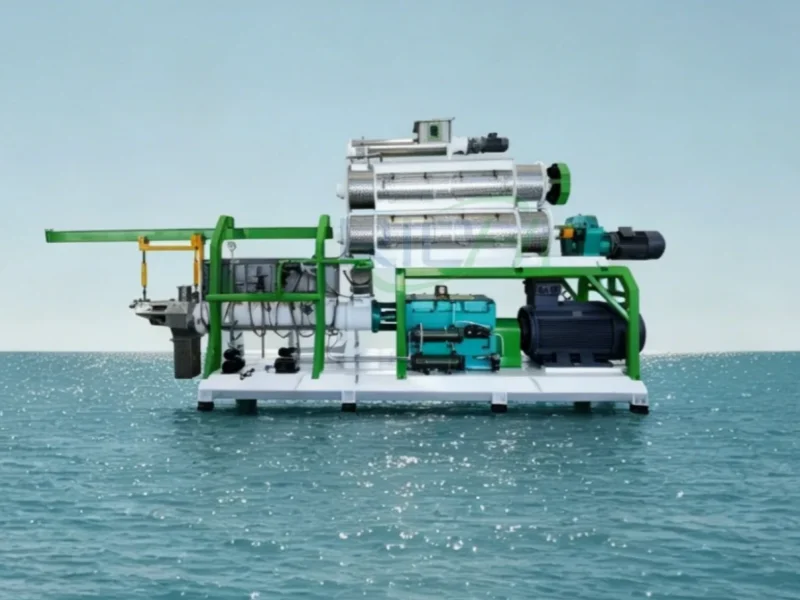
A professional twin screw fish feed extruder provides an effective solution for producing high-quality aquatic feed. Compared with traditional processing equipment, twin screw extrusion technology offers better mixing performance, improved cooking effects, and greater flexibility when handling different feed formulas.
As aquaculture continues to develop, efficient feed processing equipment has become an essential investment for businesses that want to remain competitive in the global seafood market.
Why Feed Quality Matters in Aquaculture Development
Fish farming is highly dependent on feed efficiency. Feed usually represents one of the largest operating costs in aquaculture production, meaning that improving feed utilization can significantly influence profitability.
High-quality aquatic feed should provide several important characteristics:
Balanced Nutrition
Fish require appropriate levels of protein, fat, carbohydrates, vitamins, and minerals. Advanced processing technology helps maintain nutritional consistency throughout production.
Good Water Stability
Unlike land animal feed, aquatic feed must remain stable after entering water. Poor-quality pellets may quickly dissolve, causing nutrient loss and increasing water pollution.
Proper Floating or Sinking Performance
Different aquatic species have different feeding habits. Some fish feed mainly near the water surface, while others prefer sinking pellets. Modern extrusion technology allows manufacturers to produce different feed types according to market demand.
Improved Digestibility
Proper extrusion cooking improves starch gelatinization and enhances nutrient availability, allowing fish to absorb nutrients more effectively.
These advantages explain why more aquaculture companies are upgrading their production facilities with modern extrusion systems.
The Role of Twin Screw Extrusion Technology
Extrusion is one of the most important technologies in modern aquatic feed manufacturing. During extrusion, raw materials are mixed, compressed, cooked, and shaped under controlled conditions.
Twin screw extrusion technology offers several advantages compared with conventional single screw systems.
First, twin screws provide stronger mixing ability. This allows different ingredients, including fish meal, soybean meal, grains, oils, and additives, to be blended more evenly.
Second, twin screw systems provide better control over temperature, pressure, and moisture conditions. This is especially important when producing specialized feeds for different fish species.
Third, twin screw extruders can process a wider range of formulas. Manufacturers can adjust recipes according to the nutritional requirements of shrimp, tilapia, salmon, carp, and other aquatic species.
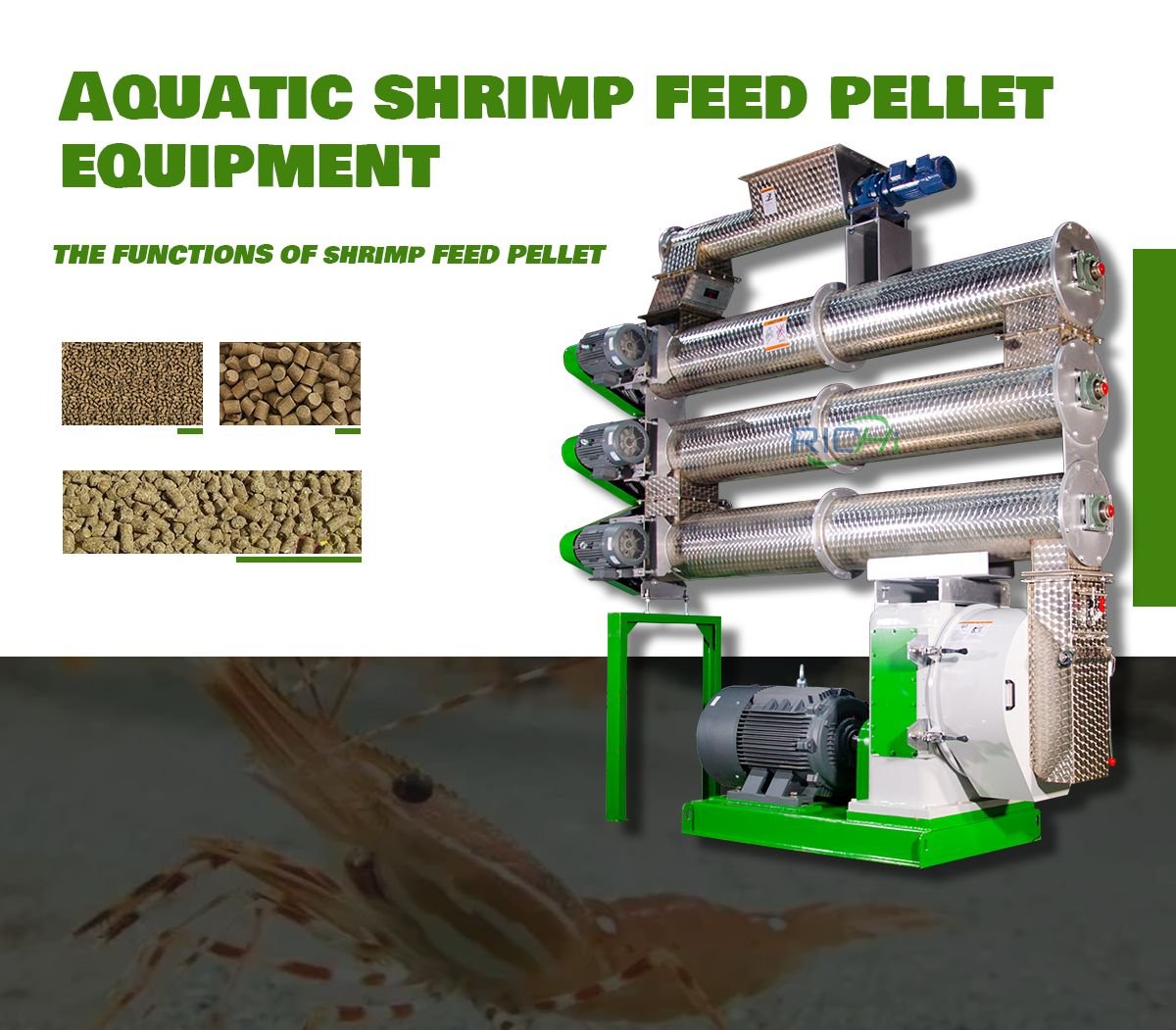
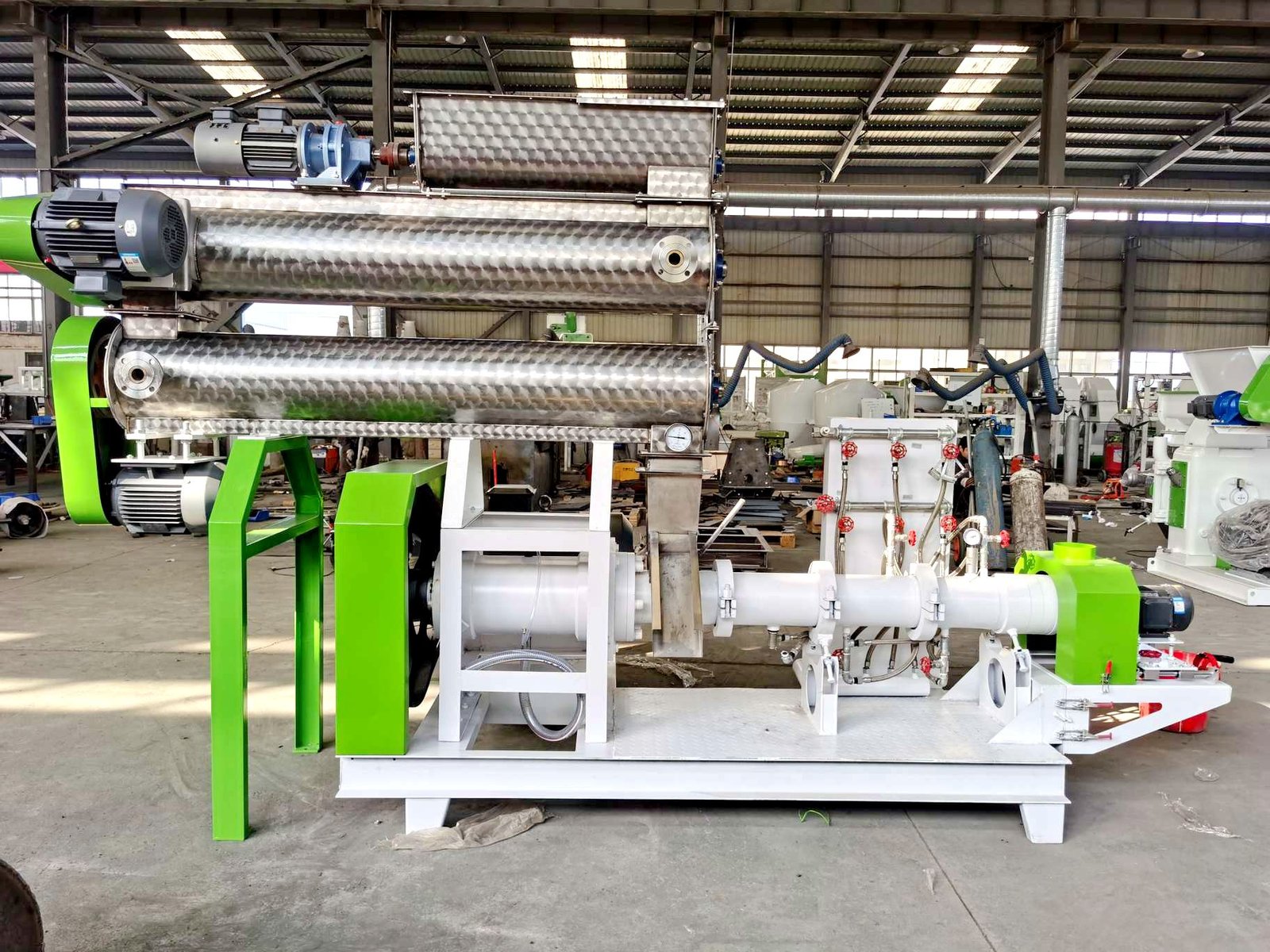
A modern Twin Screw Fish Feed Extrusion machine helps feed producers achieve consistent pellet quality while improving production efficiency.
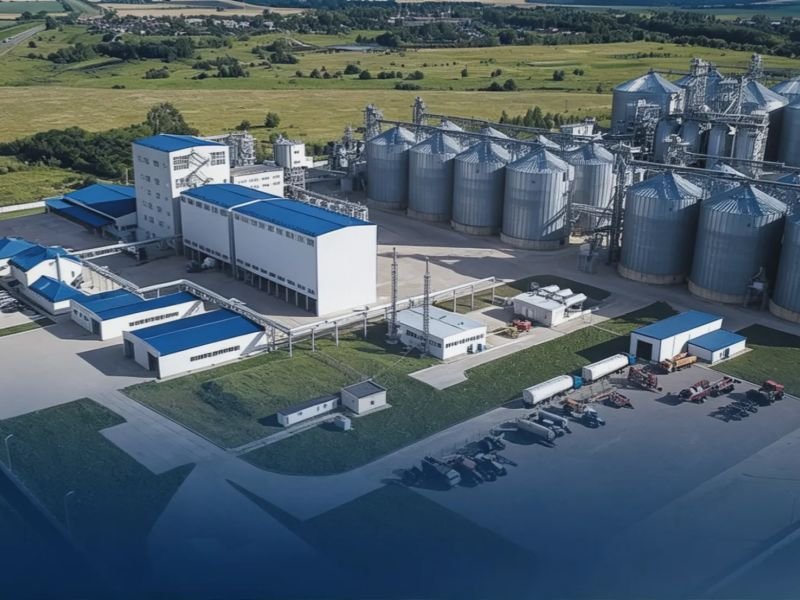
For companies planning to expand their aquatic feed business, selecting suitable equipment capacity is also essential. Small farms may require compact systems, while commercial feed manufacturers need larger production solutions. For example, a 2-3 T/H aquatic feed production line for sale can provide an efficient solution for medium-scale feed factories that need stable output and professional processing capabilities.
Building Efficient Aquatic Feed Production Facilities
A successful aquatic feed factory requires more than extrusion equipment. A complete production process usually includes multiple stages to ensure final feed quality.
Raw Material Receiving and Storage
The first step is collecting and storing raw materials. Proper storage conditions help prevent moisture problems and maintain ingredient quality.
Grinding and Mixing
Raw materials must be processed into suitable particle sizes before mixing. Uniform grinding improves production stability, while accurate mixing ensures balanced nutrition.
Extrusion Processing
During extrusion, the feed mixture is transformed into pellets under controlled pressure and temperature. This stage determines important characteristics such as floating ability, density, and texture.
Drying and Cooling
After extrusion, pellets usually contain excess moisture. Drying reduces moisture content and improves storage stability. Cooling helps maintain pellet quality before packaging.
Packaging and Distribution
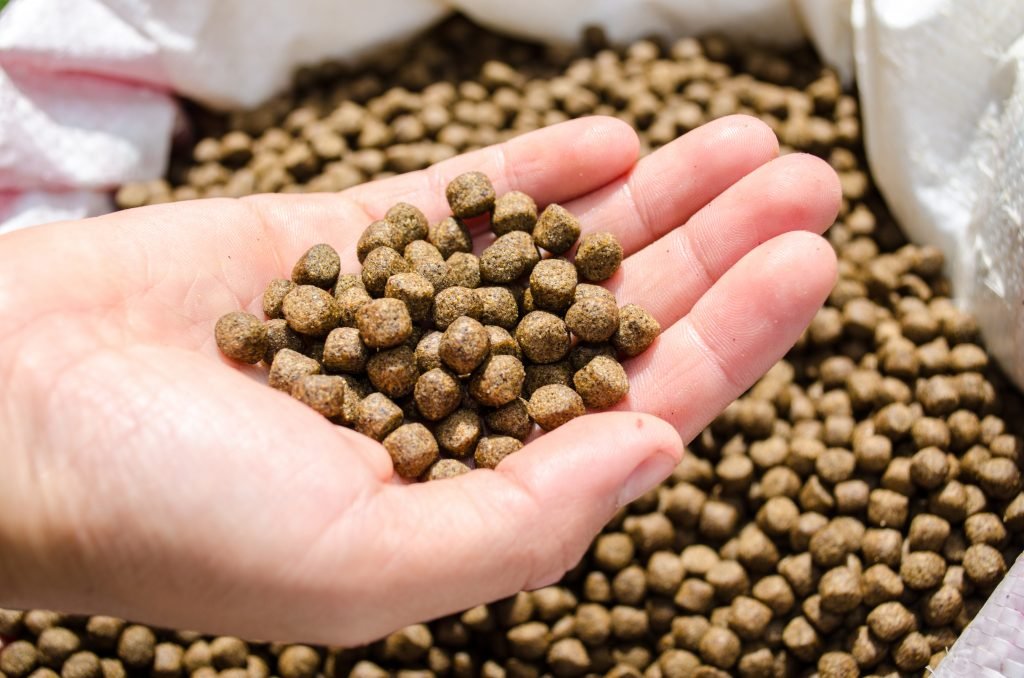
Finished feed pellets are screened, packed, and prepared for transportation to farms and distributors.
The entire production process requires coordination between different machines. Therefore, choosing reliable equipment suppliers and proper system design is important for long-term operation.
How Aquaculture Businesses Can Improve Production Efficiency
Modern fish farming faces increasing challenges, including rising feed costs, environmental requirements, and market competition. Improving production efficiency has become a major priority for aquaculture companies.
One effective approach is investing in advanced feed manufacturing technology. Better equipment helps reduce material waste, improve pellet consistency, and increase overall productivity.
Automation is another important trend. Modern feed factories use intelligent control systems to monitor production parameters and maintain stable operation. Automated systems reduce labor requirements and help operators manage production more effectively.
Professional equipment manufacturers can provide customized solutions according to different production goals. Companies such as Richi machinery manufacture focus on developing feed processing equipment and complete production solutions for customers worldwide.
By selecting appropriate machinery and optimizing production processes, feed manufacturers can achieve better efficiency and create higher-value products.
Supporting Sustainable Aquaculture Through Better Feed Solutions
Sustainability has become a major focus in the aquaculture industry. As fish farming expands, producers must balance increased seafood demand with environmental protection.
High-quality feed technology contributes to sustainable aquaculture in several ways.
First, improved digestibility reduces waste because fish can absorb nutrients more effectively. Less unused feed enters the water, helping maintain better farming conditions.
Second, precise feed production allows manufacturers to optimize formulas and reduce unnecessary resource consumption.
Third, efficient processing systems help feed factories reduce energy waste and improve production performance.
The combination of advanced extrusion technology and responsible farming practices creates a more sustainable future for aquaculture.
Those interested in exploring more information about aquatic feed processing solutions can find out here now to learn more about modern production technologies and equipment applications.
Future Trends in Aquatic Feed Manufacturing
The future of aquatic feed production will be shaped by innovation, automation, and sustainability. As fish farming becomes more professional, feed manufacturers will continue to demand higher-performance equipment and smarter production systems.
Several trends are expected to influence the industry:
- Increased use of automation and digital monitoring
- Development of specialized feeds for different aquatic species
- Greater focus on environmentally friendly ingredients
- Improved energy efficiency in production facilities
Advanced extrusion technology will remain an important part of this transformation. Equipment that can provide flexibility, reliability, and precise processing will help businesses respond to changing market requirements.
Conclusion
The development of aquaculture depends heavily on continuous improvements in feed production technology. High-quality feed improves fish growth, reduces production costs, and supports sustainable farming practices.
Modern extrusion systems, especially twin screw technology, provide powerful solutions for producing reliable aquatic feed products. By investing in suitable equipment and professional production planning, businesses can build efficient feed factories that meet future market demands.
(Related Post: https://www.richipelletmill.com/shrimp-feed-plant/)
As global demand for seafood continues to rise, advanced aquatic feed manufacturing will play an increasingly important role in creating a more productive and sustainable aquaculture industry.