

The global aquaculture industry is developing rapidly as the demand for aquatic products continues to increase. To meet the nutritional requirements of different fish species and improve farming efficiency, high-quality fish feed has become a key factor in successful aquaculture operations. Feed not only provides essential nutrients for fish growth but also directly affects feed conversion ratio, water quality management, production costs, and overall profitability.
Traditional fish feed processing methods have limitations in terms of feed digestibility, water stability, pellet quality, and production flexibility. As aquaculture becomes more intensive, feed manufacturers need more advanced solutions to produce high-performance aquatic feed that meets the requirements of modern fish farming.
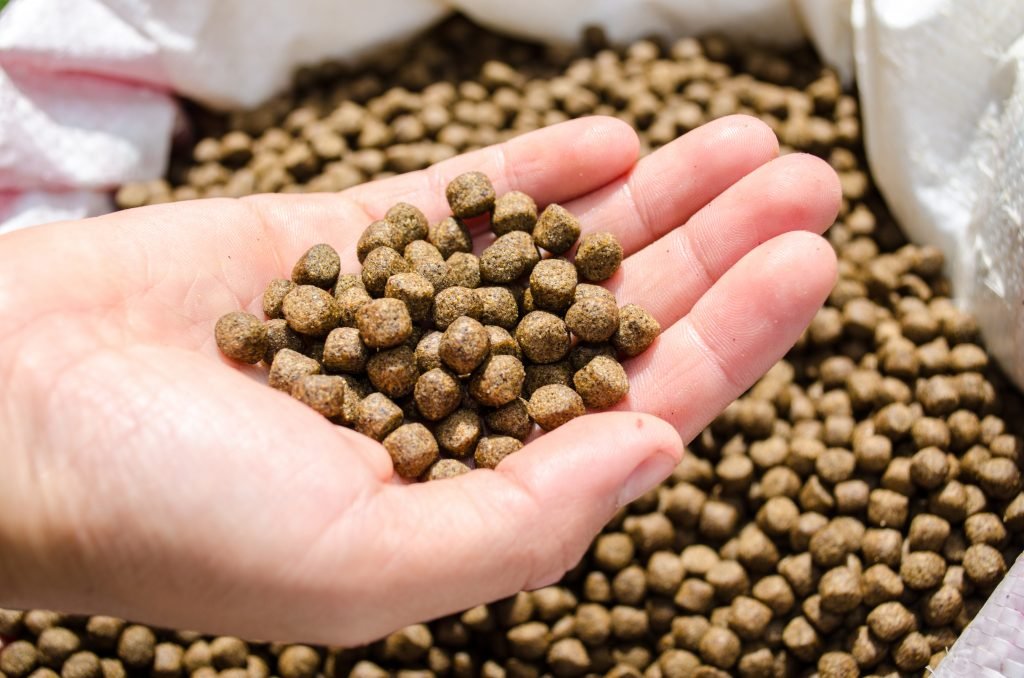
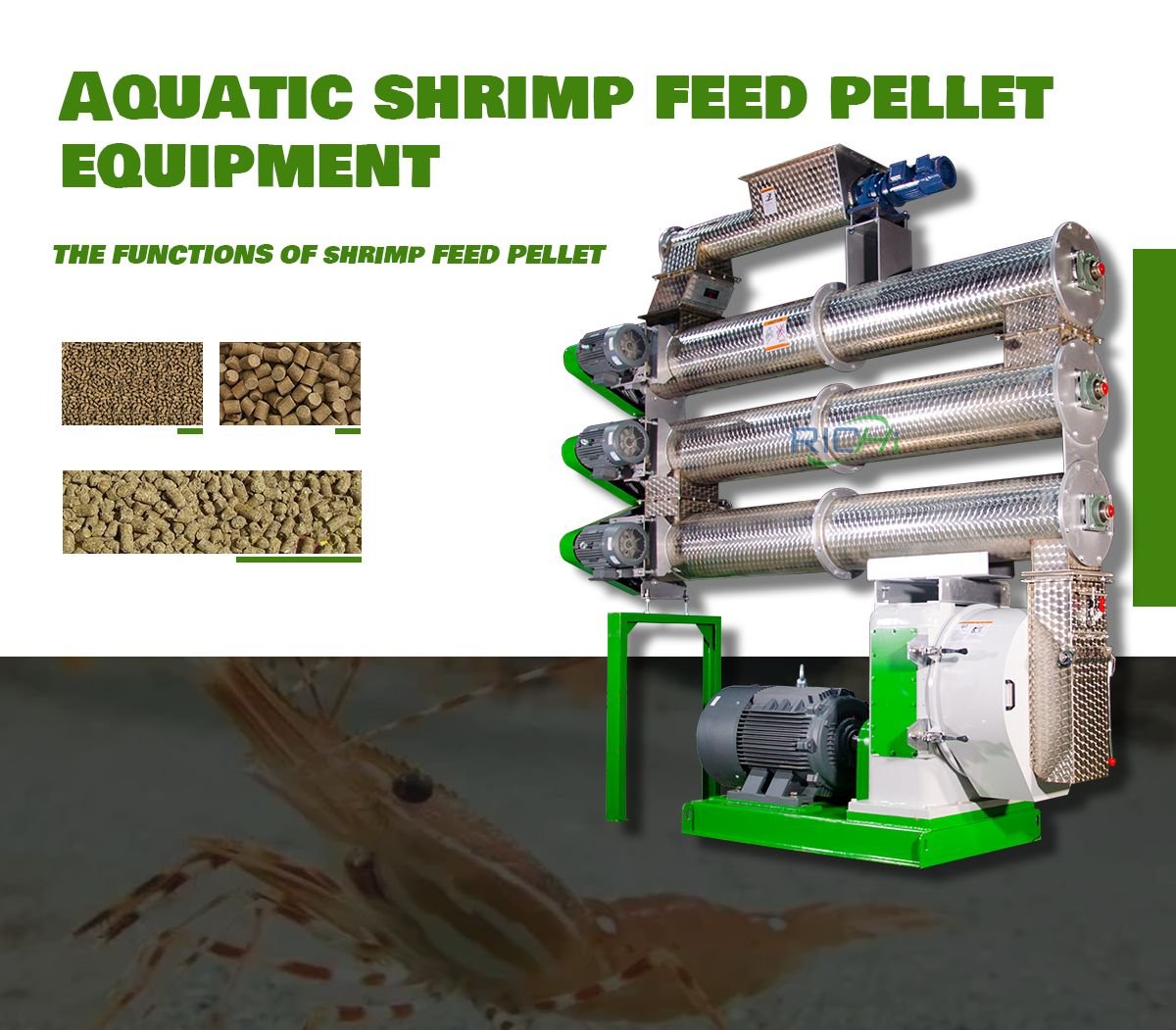
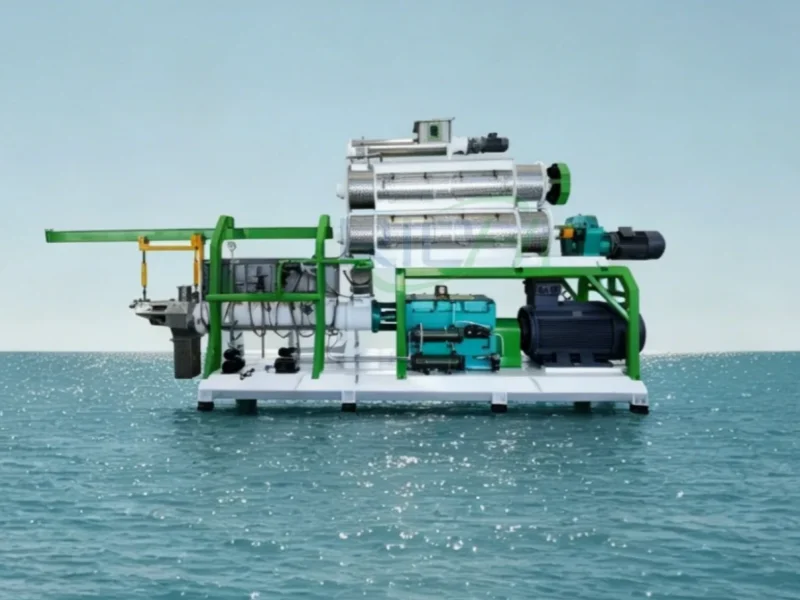
Advanced fish feed extrusion technology has become an important innovation in aquafeed production. By combining precise control of temperature, moisture, pressure, and mechanical energy, extrusion technology transforms various raw materials into stable, nutritious, and highly digestible feed pellets. A modern fish feed pellet extruder is the core equipment that enables manufacturers to produce floating feed, sinking feed, and slow-sinking feed with excellent physical properties.
Choosing advanced fish feed extrusion technology allows feed producers to improve product quality, increase production efficiency, reduce waste, and achieve more sustainable aquaculture development.
Understanding Advanced Fish Feed Extrusion Technology
Fish feed extrusion is a modern processing method that uses thermal and mechanical energy to modify feed ingredients and form them into pellets. Unlike traditional pelletizing, which mainly relies on compression, extrusion creates significant physical and chemical changes in raw materials.
During extrusion, the mixed feed material passes through an extrusion chamber where it is exposed to:
- High temperature
- High pressure
- Moisture
- Mechanical shear
These conditions cause starch gelatinization, protein modification, and structural changes in ingredients. When the processed material exits through the die, rapid pressure release creates expansion, forming pellets with controlled density and improved stability.
Advanced extrusion systems provide precise control over the entire process, allowing manufacturers to produce consistent feed products for different aquatic species.
1. Improve Fish Feed Nutritional Quality
One of the most important reasons to choose advanced extrusion technology is its ability to improve nutritional performance.
Fish require feed that is easy to digest and provides efficient nutrient absorption. However, many commonly used raw materials contain complex structures or anti-nutritional factors that limit nutrient availability.
During extrusion, heat and moisture improve the nutritional characteristics of ingredients.
Enhanced Starch Gelatinization
Starch is an important component in many fish feed formulas because it provides energy and helps bind pellets.
Through extrusion:
- Starch absorbs water
- Molecular structures are modified
- Digestibility improves
- Pellet binding becomes stronger
Gelatinized starch helps create stable pellets while allowing fish to utilize energy more efficiently.
Reduced Anti-Nutritional Factors
Many plant-based ingredients contain compounds that can reduce nutrient absorption. Advanced extrusion processing helps deactivate or reduce these factors, improving the utilization of alternative ingredients.
This allows manufacturers to develop balanced feed formulas while reducing dependence on expensive traditional ingredients.
2. Produce High-Quality Floating and Sinking Feed
Different aquatic species have different feeding behaviors. Some fish feed near the water surface, while others prefer middle or bottom water layers.
Advanced extrusion technology provides precise control over pellet density, making it possible to produce:
- Floating fish feed
- Slow-sinking fish feed
- Sinking fish feed
A high-performance fish feed pellet extruder can adjust processing parameters such as moisture content, temperature, screw speed, and die design to achieve the desired buoyancy.
https://richipelletizer.com/wet-type-fish-feed-extruder
Benefits of Floating Feed
Floating feed provides several advantages:
- Easier feeding observation
- Reduced overfeeding
- Better feed management
- Lower feed waste
Farmers can monitor fish feeding activity and adjust feeding quantities more accurately, improving production efficiency.
Benefits of Sinking Feed
Sinking feed is suitable for species that naturally feed below the water surface. Extrusion technology allows manufacturers to control pellet density and produce feed suitable for different farming systems.
3. Improve Feed Water Stability
Water stability is one of the most important characteristics of aquatic feed.
If feed breaks down too quickly in water, nutrients are released before fish consume them. This results in:
- Increased feed costs
- Poor nutrient utilization
- Water pollution
Advanced extrusion technology improves water stability by creating a strong internal pellet structure.
During extrusion, gelatinized starch works as a natural binder, helping ingredients remain connected.
High-quality extruded feed offers:
- Longer underwater stability
- Reduced nutrient leakage
- Better feeding efficiency
- Cleaner aquaculture environments
For intensive fish farming, improved water stability is essential for maintaining healthy production conditions.
(view our website: RICHI Machinery )
4. Increase Feed Conversion Efficiency
Feed conversion ratio (FCR) is a critical indicator of aquaculture profitability. A lower FCR means fish require less feed to achieve the same growth results.
Advanced extrusion technology improves FCR through:
- Better nutrient digestibility
- Improved feed utilization
- Reduced feed loss
- Enhanced pellet quality
When fish can absorb more nutrients from each pellet, farmers can reduce feed consumption while maintaining growth performance.
For commercial aquaculture operations, even small improvements in feed conversion can generate significant economic benefits.
5. Enhance Pellet Quality and Consistency
Feed appearance and physical quality directly influence market acceptance and feeding performance.
Advanced extrusion systems produce pellets with:
- Uniform size
- Smooth surface
- Strong durability
- Consistent density
- Improved appearance
The die system controls pellet shape and size, allowing manufacturers to produce feed suitable for different fish growth stages.
For example:
- Small pellets for juvenile fish
- Medium pellets for growing fish
- Large pellets for adult fish
Consistent pellet quality helps reduce feed waste and improves feeding results.
6. Increase Production Flexibility
Modern aquaculture requires customized feed solutions because different species have different nutritional requirements.
Advanced extrusion technology provides greater flexibility in processing various ingredients, including:
- Fish meal
- Soybean meal
- Wheat flour
- Corn
- Rice bran
- Vegetable protein sources
- Functional additives
Manufacturers can adjust formulas according to:
- Fish species
- Growth stage
- Farming environment
- Market requirements
This flexibility allows feed producers to respond quickly to changing customer demands.
7. Improve Feed Safety and Storage Stability
Feed safety is essential for maintaining fish health and stable production.
Raw materials may contain microorganisms, molds, or other contaminants. During extrusion, high temperatures help reduce microbial risks and improve feed hygiene.
Advanced extrusion technology also improves storage performance by producing pellets with:
- Lower moisture content after drying
- Better structural stability
- Longer shelf life
This reduces product losses during transportation and storage.
8. Support Sustainable Aquaculture Development
Sustainability has become a major goal in the aquaculture industry. Advanced fish feed extrusion technology supports sustainable production in several ways.
Reduce Feed Waste
Better pellet stability and improved feeding efficiency reduce unnecessary feed loss.
Improve Resource Utilization
Higher digestibility means fewer resources are required to produce the same amount of fish.
Support Alternative Ingredients
Extrusion allows manufacturers to use more sustainable raw materials while maintaining feed performance.
These advantages help reduce the environmental impact of aquaculture operations.
9. Achieve Higher Production Efficiency
Modern fish feed production requires not only high-quality products but also efficient manufacturing processes.
Advanced extrusion systems improve production efficiency through:
- Automated operation
- Stable output
- Precise parameter control
- Reduced labor requirements
- Lower energy consumption
A professional fish feed pellet extruder can be integrated with grinding, mixing, drying, cooling, and packaging systems to create a complete automated fish feed production line.
This allows manufacturers to achieve large-scale production while maintaining consistent quality.
10. Better Control Through Automation Technology
Automation is an important feature of advanced extrusion systems.
Modern equipment can monitor and adjust:
- Temperature
- Moisture
- Pressure
- Screw speed
- Feeding rate
The advantages of automation include:
- Reduced human error
- Improved production stability
- Faster problem detection
- More consistent product quality
For large commercial aquafeed plants, automated extrusion technology provides better management and higher reliability.
11. Reduce Operating Costs in the Long Term
Although advanced extrusion equipment requires initial investment, it provides long-term economic advantages.
Benefits include:
- Lower feed production costs
- Reduced raw material waste
- Higher production capacity
- Improved product competitiveness
- Lower maintenance requirements
By producing higher-value feed products, manufacturers can achieve better market returns.
12. Applications of Advanced Fish Feed Extrusion Technology
Advanced extrusion technology is widely used in different aquaculture sectors.
Freshwater Fish Farming
Species such as tilapia, carp, and catfish benefit from extruded feed because of its high digestibility and stable performance.
Marine Fish Farming
Marine species often require specialized high-protein feed. Extrusion helps produce feed with excellent nutritional performance.
Shrimp and Crustacean Farming
Extrusion technology can produce feed with suitable hardness and water stability for shrimp production.
Ornamental Fish Feed
Small and precise pellets produced through extrusion are suitable for ornamental fish with special feeding requirements.
How to Select the Right Fish Feed Extrusion Equipment
Choosing suitable extrusion equipment is essential for achieving optimal production results.
Important considerations include:
Production Capacity
Manufacturers should select equipment according to expected output requirements.
Feed Formula Requirements
Different formulas require different extrusion conditions.
Product Types
Floating, sinking, and specialty feeds may require different processing capabilities.
Automation Level
Advanced control systems improve production stability and efficiency.
Equipment Reliability
High-quality components and professional design ensure long-term operation.
A properly selected fish feed pellet extruder can significantly improve production performance and product quality.
Future Trends of Fish Feed Extrusion Technology
As aquaculture continues to expand, extrusion technology will continue to develop toward higher efficiency and sustainability.
Future trends include:
- Intelligent production systems
- Energy-saving equipment
- More precise process control
- Sustainable feed ingredient processing
- Customized feed solutions
Advanced extrusion technology will help manufacturers produce better feed while reducing resource consumption.
Conclusion
Advanced fish feed extrusion technology provides significant advantages for modern aquafeed production. It improves nutrient digestibility, enhances water stability, supports floating and sinking feed production, increases feed conversion efficiency, and improves overall manufacturing performance.
A reliable fish feed pellet extruder is the foundation of high-quality aquatic feed production. Through precise control of processing parameters, it enables manufacturers to produce consistent, nutritious, and durable feed pellets for different fish species.
As global aquaculture continues to grow, investing in advanced extrusion technology will help feed manufacturers improve competitiveness, reduce production costs, and contribute to the sustainable development of the aquaculture industry.